
Full Coverage SR-22 Insurance Cost — Ohio
Free to compare
The Full Coverage SR-22 Confusion
You're reading conflicting advice about whether Ohio SR-22 filing requires full coverage insurance. Your suspension notice said nothing about comprehensive or collision coverage, but the first carrier you called quoted full coverage automatically and the price shocked you. Another agent told you liability-only SR-22 is legal but would not explain when you'd actually need more.
The structural reality: SR-22 is a three-year proof-of-financial-responsibility filing that attaches to whatever auto insurance policy you carry. Ohio does not mandate full coverage for SR-22 compliance. Full coverage — the industry shorthand for liability plus comprehensive plus collision — is optional unless your lender or lienholder requires it because you financed or leased the vehicle. The SR-22 filing itself does not change that.
“SR-22 is a filing that attaches to any policy tier — full coverage is optional unless your lender requires it.”

Get Insured and Get Your Ohio License Back
Get My Ohio Suspended License Insurance Quote$40
Ohio License Reinstatement Fee
The Ohio BMV charges a base $40 reinstatement fee after most suspensions. OVI convictions and Financial Responsibility Act violations carry separate, higher fees stacked on top of the base amount. This fee is paid once at reinstatement, not annually.
Ohio Revised Code 4507.1612
What SR-22 Filing Actually Requires
SR-22 is a certificate your carrier files electronically with the Ohio BMV proving you carry at least state minimum liability: $25,000 bodily injury per person, $50,000 per accident, and $25,000 property damage. The BMV monitors this filing continuously for three years. If your policy lapses or cancels, the carrier notifies the BMV within 24 hours and your driving privileges suspend immediately.
Comprehensive and collision coverage are not mentioned in the SR-22 statute. Those coverages pay for damage to your own vehicle — comprehensive covers theft, weather, vandalism; collision covers crashes regardless of fault. They protect your asset, not other drivers. Ohio law does not require you to insure your own vehicle unless a lienholder contractually requires it as a loan condition.
If you own your vehicle outright with no loan or lease, liability-only SR-22 satisfies Ohio reinstatement requirements. If you financed the vehicle, your lender's contract almost certainly requires comprehensive and collision until the loan is paid off. The SR-22 filing does not change that contractual obligation — it simply proves the policy exists and remains active.
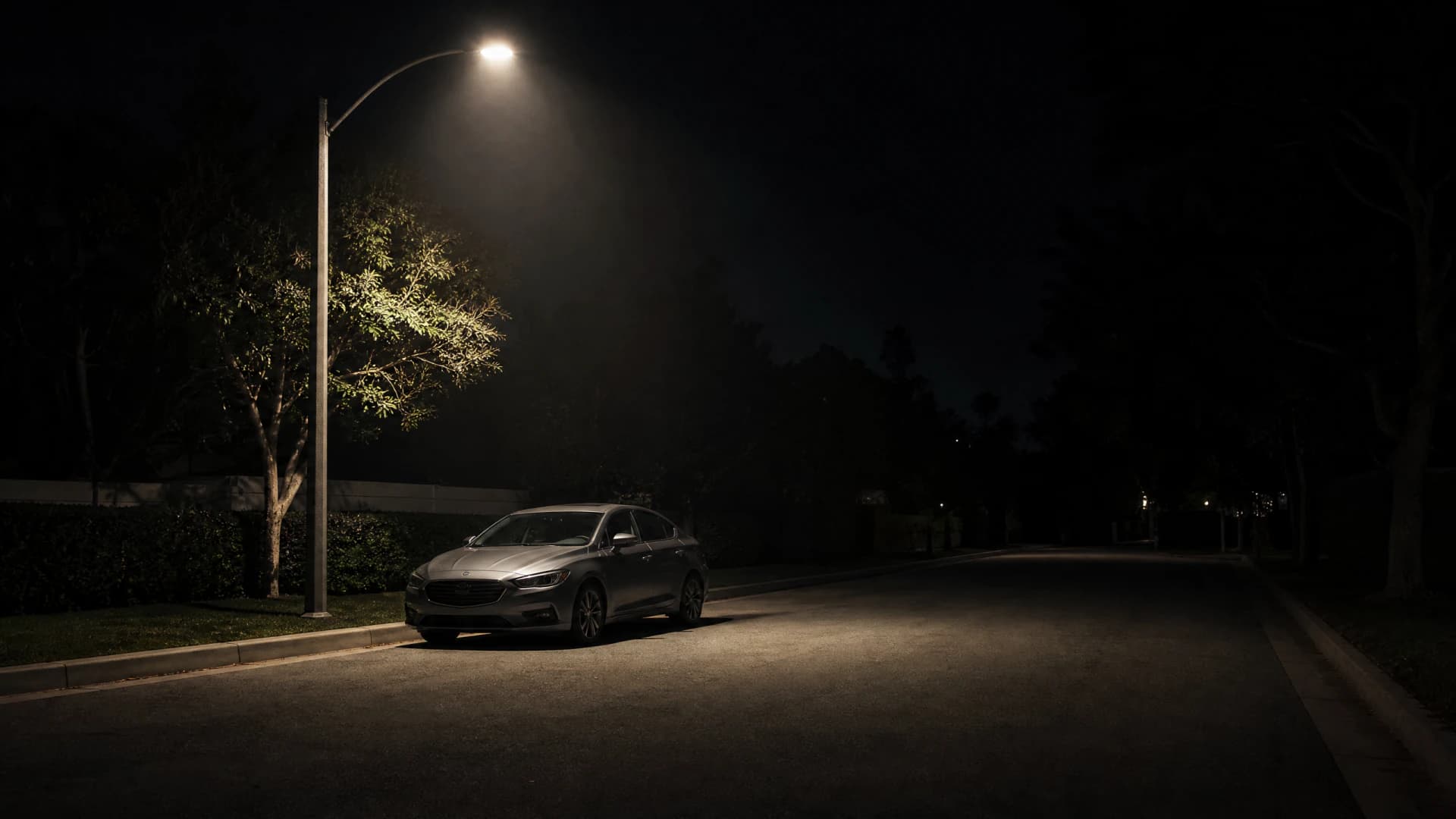
If you owe money on the vehicle, your lender requires full coverage regardless of SR-22. If you own it outright, liability-only SR-22 is legal and costs substantially less.





When Full Coverage Makes Sense for SR-22 Drivers
You need full coverage if you owe money on the vehicle. Lenders require comprehensive and collision as a condition of the loan. Canceling those coverages triggers a lender-placed insurance policy at triple the cost, billed directly to your loan balance. That's not negotiable.
You should consider full coverage if your vehicle is worth more than $5,000 and you cannot afford to replace it out of pocket after a total loss. Comprehensive coverage typically costs $15–$35/month; collision adds $60–$120/month depending on vehicle value and your driving record. If a tree falls on your $12,000 vehicle or you're hit by an uninsured driver and collision is your only recovery path, paying $900–$1,860 annually to protect that asset is defensible math.
You do not need full coverage if you own an older vehicle outright, drive infrequently, or have savings set aside to replace the vehicle after a loss. Liability-only SR-22 satisfies Ohio reinstatement requirements and costs $600–$1,200 less per year than full coverage. That's real money for drivers already paying reinstatement fees, ignition interlock costs, and OVI program expenses.
3 years
Ohio SR-22 Filing Period
Ohio requires SR-22 filing for three years following OVI conviction or insurance-related suspension, measured from the filing date. The filing must remain active and uninterrupted for the full period. A single lapse triggers immediate suspension and restarts the three-year clock from zero.
Ohio Revised Code 4509.45

Non-Owner SR-22 When You Have No Vehicle
If your vehicle was totaled, repossessed, or sold and you're not replacing it immediately, non-owner SR-22 satisfies Ohio filing requirements without insuring a specific vehicle. Non-owner policies provide liability coverage when you drive a borrowed or rented vehicle. The SR-22 filing attaches to the non-owner policy just as it would to a standard policy, proving continuous financial responsibility to the BMV.
Non-owner SR-22 typically costs $40–$80/month in Ohio through carriers like Dairyland, The General, Progressive, or GAINSCO. That's $480–$960 annually compared to $1,320–$2,160 for liability-only SR-22 on an owned vehicle. The three-year filing period is identical. If you're not driving daily and don't own a vehicle, non-owner SR-22 is the most cost-effective path to reinstatement and keeps your filing active until you're ready to buy another vehicle.
Compare Full Coverage SR-22 Rates Now
Use the comparison tool on this site to request quotes from carriers writing SR-22 in Ohio. Specify whether you need liability-only or full coverage, enter your vehicle details if applicable, and indicate whether you're seeking non-owner SR-22. Carriers price SR-22 policies differently based on violation type, county, and policy tier — comparing at least three quotes surfaces the actual cost range for your profile and clarifies whether full coverage fits your budget or whether liability-only SR-22 is the smarter financial path forward.
Liability-Only vs Full Coverage SR-22 Pricing
For a suspended-license driver in Ohio with an OVI conviction, liability-only SR-22 typically costs $110–$180/month through non-standard carriers like The General, Acceptance, Bristol West, Dairyland, or GAINSCO. That rate reflects high-risk tier pricing for state minimum liability plus the SR-22 filing fee amortized monthly. The three-year SR-22 period does not change as you add coverage — it's still three years from the filing date regardless of policy tier.
Adding comprehensive and collision to that same profile increases the monthly premium to $250–$400/month depending on vehicle value, deductible selections, and county. The $140–$220/month difference pays for physical damage coverage on your vehicle. If your vehicle is worth less than $3,000 and you own it outright, paying $1,680–$2,640 annually to insure it rarely makes financial sense. If the vehicle is financed or worth $15,000, your lender will require it and the coverage protects your equity.
Get Your Free Quote
Get My Ohio Suspended License Insurance QuoteFrequently Asked Questions
Does Ohio require full coverage insurance for SR-22 filing?
No. Ohio requires SR-22 drivers to carry at least state minimum liability coverage: $25,000 bodily injury per person, $50,000 per accident, and $25,000 property damage. Comprehensive and collision coverage are optional unless your lender requires them as a loan condition. The SR-22 filing attaches to whatever policy tier you carry.
How much does full coverage SR-22 cost per month in Ohio?
Full coverage SR-22 in Ohio typically costs $250–$400/month for suspended-license drivers, compared to $110–$180/month for liability-only SR-22. The $140–$220 difference pays for comprehensive and collision coverage on your vehicle. Actual cost depends on vehicle value, deductible, county, and driving history.
Can I switch from full coverage SR-22 to liability-only SR-22 in Ohio?
Yes, if you own your vehicle outright with no loan or lease. Contact your carrier to remove comprehensive and collision coverage while maintaining the SR-22 filing on the liability policy. If you owe money on the vehicle, your lender's contract requires full coverage and will not permit you to drop it until the loan is paid off.
What happens if I let my full coverage SR-22 lapse in Ohio?
The carrier notifies the Ohio BMV within 24 hours of cancellation or lapse. Your driving privileges suspend immediately and the three-year SR-22 filing period restarts from zero once you file a new SR-22. You'll also pay the $40 base reinstatement fee again, plus any suspension-specific fees that apply to your violation type.
Do I need full coverage SR-22 if I don't own a car in Ohio?
No. If you don't own a vehicle, non-owner SR-22 satisfies Ohio filing requirements at $40–$80/month. Non-owner policies provide liability coverage when you drive borrowed or rented vehicles and carry the same SR-22 filing the BMV monitors. Full coverage is not relevant when you own no vehicle to insure.
Does SR-22 filing cost more with full coverage than liability-only?
The SR-22 filing fee itself is the same regardless of policy tier — typically $25–$50 annually. The cost difference between full coverage and liability-only SR-22 comes entirely from the comprehensive and collision premiums, which protect your vehicle against physical damage. The filing fee does not change based on coverage selections.