
SR-22 Filing Cost in Ohio — Add-On vs Standalone
Free to compare
The Two-Price SR-22 Reality in Ohio
Your insurance agent just quoted you $185/month for SR-22 coverage, then mentioned a $50/month option in passing. Both satisfy Ohio BMV's proof-of-financial-responsibility requirement under ORC 4509.45. Both file the same SR-22 certificate electronically to the BMV. The $135 monthly difference comes down to one structural question: do you currently own or regularly drive a vehicle registered in your name?
The Ohio BMV does not care which path you take — it only verifies that an SR-22 certificate from an authorized carrier is on file showing you carry Ohio's minimum liability limits ($25,000 bodily injury per person, $50,000 per accident, $25,000 property damage). The carrier cares intensely, because owner policies insure collision risk on a specific vehicle you drive daily, while non-owner policies cover only your liability exposure when driving someone else's car occasionally. The underwriting math produces completely different premium structures.
“The BMV does not care which SR-22 path you take — it only verifies a certificate is on file showing you carry Ohio's minimum liability limits.”

Get Insured and Get Your Ohio License Back
Get My Ohio Suspended License Insurance Quote$25–$50
Ohio SR-22 Filing Fee
This is a one-time administrative charge the carrier bills to generate and electronically transmit the SR-22 certificate to the Ohio BMV. It is separate from and in addition to your liability premium. Most carriers charge $25–$35; a few non-standard carriers charge up to $50.
Carrier filing schedules, Ohio BMV SR-22 program
What the Filing Fee Actually Buys
The SR-22 filing fee pays the carrier to complete Form SR-22 and submit it electronically to the Ohio BMV's Insurance Verification System. The BMV receives notification that you now carry liability insurance meeting state minimums. The certificate stays active as long as your policy remains in force and premiums are paid. If you cancel, miss a payment, or let coverage lapse, the carrier files an SR-26 cancellation notice with the BMV within 10 days, triggering immediate suspension of your driving privileges.
You pay the filing fee once when coverage begins. Some carriers bill it as a separate line item; others roll it into your first premium installment. The fee does not recur monthly — you are paying for the initial filing only. The three-year SR-22 requirement clock starts the day your conviction was entered or the day BMV ordered SR-22 filing, not the day you buy coverage. Waiting six months to get coverage does not shorten the total filing period; it only delays reinstatement.

Most Ohio suspended drivers overpay by $90–$140/month because they assume SR-22 requires owning the car they insure. Non-owner SR-22 satisfies BMV requirements at a fraction of the cost if you do not own a vehicle.



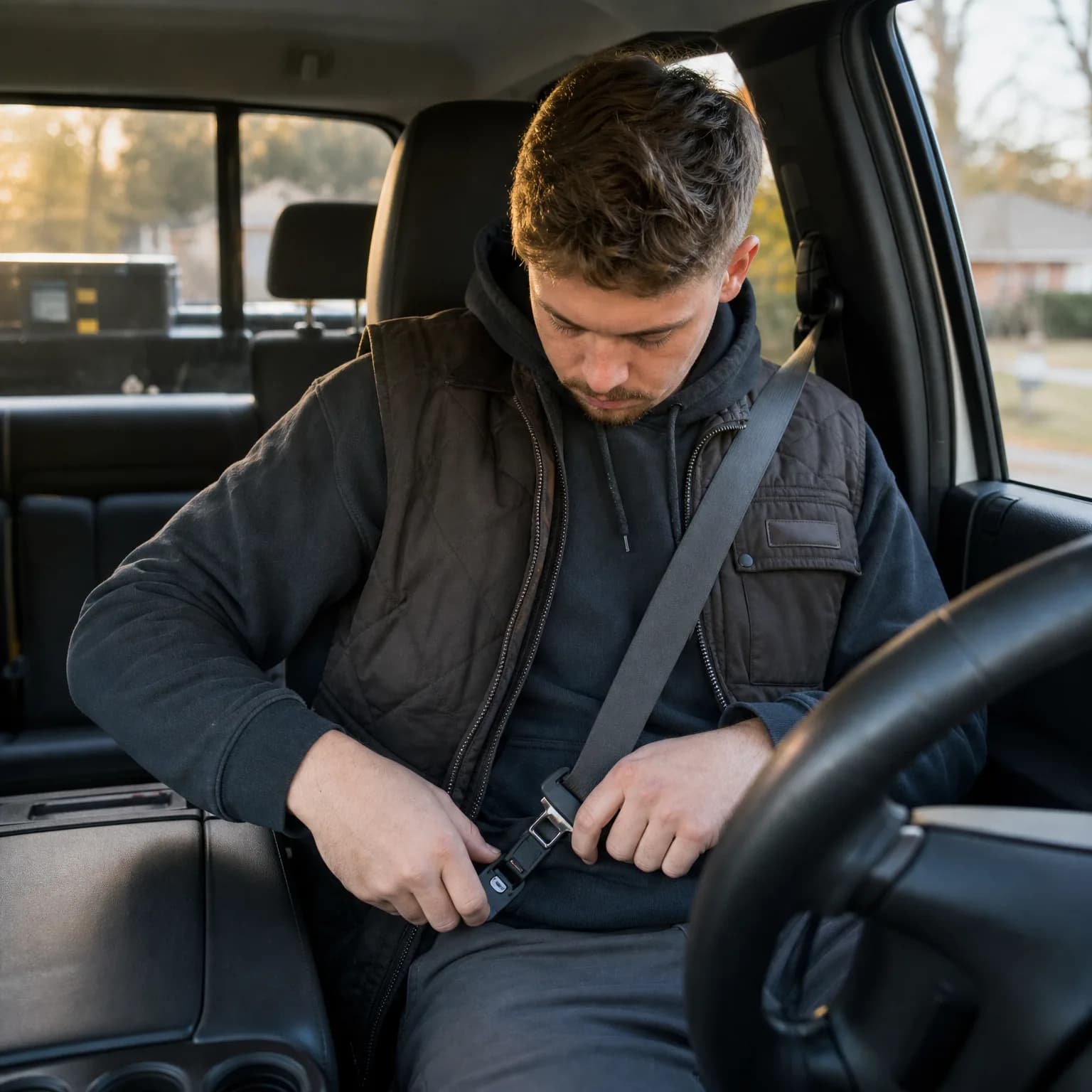



Non-Owner SR-22: Liability Certificate Without a Car
Non-owner SR-22 policies provide liability-only coverage when you drive a vehicle you do not own — a friend's car, a rental, a family member's vehicle — and attach the required SR-22 certificate to that liability coverage. Ohio non-owner SR-22 premiums typically run $35–$75/month for suspended drivers with standard violation histories. OVI cases may push closer to $90–$110/month. You carry no collision or comprehensive coverage because you do not own the car being insured.
The Ohio BMV accepts non-owner SR-22 filings as valid proof of financial responsibility under ORC 4509.45. The three-year filing clock runs identically to owner SR-22 — cancel or lapse, and the carrier files SR-26 within 10 days, re-suspending your license. Non-owner SR-22 does not allow you to register a vehicle in your name during the coverage period. If you buy a car mid-suspension, you must convert to an owner policy immediately or face suspension for driving an uninsured vehicle.
Non-owner SR-22 works best for Ohio suspended drivers who sold their car after suspension, live with family who own the household vehicles, commute via public transit or rideshare, or drive borrowed cars occasionally. If that describes your situation, non-owner SR-22 satisfies reinstatement requirements at $840–$1,320/year instead of $1,680–$3,840/year for owner coverage. The BMV does not track whether you own a car — it only verifies that an SR-22 certificate is on file showing you carry liability limits.
$35–$75/mo
Non-Owner SR-22 Monthly Cost
Ohio non-owner SR-22 premiums for suspended drivers with standard violation histories. OVI convictions push rates to $90–$110/month. This covers liability only when driving vehicles you do not own. No collision or comprehensive coverage is included.
Non-standard carrier rate data, Ohio suspended-driver filings

Switching Between Owner and Non-Owner Mid-Period
You can convert from non-owner to owner SR-22 if you buy a car during your three-year filing period, or from owner to non-owner if you sell your vehicle. The carrier files an updated SR-22 certificate reflecting the new policy type. The three-year clock does not reset — only lapses in coverage restart the clock. Converting policy types without a coverage gap preserves your filing continuity.
Most carriers allow same-day conversions if you provide proof of vehicle purchase or sale and pay any premium adjustment. The coverage gap is the killer: if you cancel non-owner SR-22 on Monday and do not activate owner SR-22 until Wednesday, the carrier files SR-26 Tuesday, BMV re-suspends your license, and you start the three-year filing period over from zero. Never let one policy cancel before the replacement policy is active and filed with BMV.
Carriers Writing Ohio SR-22 for Suspended Drivers
Not all carriers write SR-22 policies in Ohio, and not all SR-22 carriers write non-owner certificates. Progressive, Geico, The General, and State Farm write both owner and non-owner SR-22 in Ohio and quote online or by phone. Dairyland, Bristol West, and GAINSCO specialize in high-risk SR-22 cases including OVI convictions and write both policy types, but require broker quotes — they do not sell direct. Direct Auto and National General write owner SR-22 but availability varies by county; confirm non-owner SR-22 availability before applying.
Get quotes from at least three carriers. Owner SR-22 rates vary by $60–$120/month between carriers for identical coverage and violation history. Non-owner SR-22 spreads are narrower — $15–$30/month difference — but comparison still matters. Some carriers penalize OVI offenders harder than points-based suspensions; others price them identically. The carrier quoting lowest for your coworker's case may quote highest for yours.
Owner SR-22: Full Auto Policy with Filing Attached
Ohio suspended-driver owner SR-22 premiums typically range $140–$320/month depending on your violation history, age, county, and vehicle type. OVI convictions push rates to the top of that range; insurance-lapse or points-related suspensions land closer to the middle. The policy insures a vehicle titled or registered in your name, and you must maintain continuous coverage for the full three-year SR-22 period. Letting the policy lapse for even one day triggers an SR-26 cancellation filing with the BMV, re-suspending your license and restarting the three-year clock.
Choose owner SR-22 only if you currently own or lease a vehicle, plan to drive it regularly, and need full liability/collision/comprehensive coverage on that specific car. If you sold your car after suspension, live in a household where someone else owns the vehicle, or rely on borrowed cars and rideshare, owner SR-22 forces you to pay for coverage you do not need. The non-owner path costs 60–75% less and satisfies the identical BMV filing requirement.
Get Your Free Quote
Get My Ohio Suspended License Insurance QuoteFrequently Asked Questions
Does Ohio require SR-22 for all license suspensions?
No. Ohio requires SR-22 filing primarily for OVI convictions, insurance-lapse suspensions, uninsured-driver violations, and some reckless-driving cases. Points-based suspensions, unpaid-ticket suspensions, and child-support arrears suspensions typically do not trigger SR-22 requirements. Your suspension notice from the BMV will state explicitly whether SR-22 filing is required for reinstatement.
Can I get Ohio SR-22 without owning a car?
Yes. Non-owner SR-22 policies provide liability coverage when you drive vehicles you do not own and attach the required SR-22 certificate. Ohio BMV accepts non-owner SR-22 filings as valid proof of financial responsibility under ORC 4509.45. Non-owner SR-22 premiums run $35–$75/month, compared to $140–$320/month for owner policies.
How long does Ohio require SR-22 filing after a DUI?
Ohio requires SR-22 filing for three years after an OVI conviction, measured from the conviction date. The clock does not start when you buy coverage — it starts the day the court entered your conviction. If you wait six months to get SR-22 coverage, you still owe three years of filing from the conviction date, meaning you will carry SR-22 for 2.5 years after reinstatement.
What happens if I let my Ohio SR-22 policy lapse?
Your carrier files Form SR-26 with the Ohio BMV within 10 days of cancellation or lapse. BMV immediately re-suspends your driving privileges. The three-year SR-22 filing period restarts from zero the day you file a new SR-22 certificate and pay the reinstatement fee. Even a one-day coverage gap triggers SR-26 filing and restarts the clock.
Can I switch from non-owner SR-22 to owner SR-22 if I buy a car?
Yes. You can convert from non-owner to owner SR-22 if you purchase a vehicle during your filing period. The carrier files an updated SR-22 certificate with BMV reflecting the new policy type. The three-year clock does not reset as long as you avoid any coverage gap between the old policy and the new one. Cancel the non-owner policy only after the owner policy is active and filed.
Does the SR-22 filing fee recur every month in Ohio?
No. The $25–$50 SR-22 filing fee is a one-time administrative charge billed when the carrier generates and transmits the initial certificate to the Ohio BMV. It does not recur monthly. Your ongoing monthly cost is the liability premium only. The filing fee may appear as a separate line item or may be rolled into your first premium installment.