
Cheapest Car Insurance After At-Fault Accident with Suspended License — Ohio
Free to compare
The Suspended License Reality After Your At-Fault Accident
You caused an accident in Ohio. Your license is now suspended—not just because of the crash itself, but because Ohio's point system and fault-assignment structure triggered two separate administrative actions. The BMV suspended your driving privileges, and the state now requires proof of financial responsibility before you can reinstate. Most drivers in your position assume they need to wait out the suspension period and then reapply. That assumption costs months.
The actual timeline depends on which suspension type you're facing. If the accident resulted in bodily injury or property damage above $400 and you were uninsured at the time, you're looking at a Financial Responsibility Act suspension that requires SR-22 filing for three years post-reinstatement. If the accident added enough points to push you over Ohio's 12-point threshold within two years, you're facing a points-based suspension with separate reinstatement conditions. Many drivers face both simultaneously.
“If your policy lapses during the three-year SR-22 window, your license suspends again immediately and you restart the filing requirement from zero.”

Get Insured and Get Your Ohio License Back
Get My Ohio Suspended License Insurance Quote$40
Ohio Base Reinstatement Fee
The BMV charges a $40 base reinstatement fee for most suspensions. If your suspension stems from an FRA violation (driving uninsured when the accident occurred), expect an additional $75-$100 FRA-specific reinstatement fee on top of the base amount. Multiple concurrent suspensions stack—you pay each separately.
Ohio Revised Code 4507.1612
Why Standard Carriers Won't Write Your Policy
The at-fault accident moved you into Ohio's non-standard insurance tier. Standard carriers—State Farm, Allstate, Nationwide—price risk using actuarial models that flag at-fault accidents as high-severity events, especially when paired with a license suspension. Their underwriting guidelines either exclude suspended-license applicants outright or price them into unaffordable premium bands.
Non-standard carriers exist specifically to write policies for drivers standard carriers reject. In Ohio, that includes Progressive, Geico, Bristol West, Dairyland, The General, Direct Auto, and GAINSCO. These carriers file rates with the Ohio Department of Insurance that reflect higher risk, but they also compete for your business. Shopping among non-standard carriers produces meaningful rate variance—often 30-50% between the highest and lowest quote for the same coverage.
SR-22 filing is separate from the policy itself. The carrier files an SR-22 certificate with the Ohio BMV on your behalf, confirming you carry at least the state's minimum liability limits: $25,000 per person for bodily injury, $50,000 per accident for bodily injury, and $25,000 for property damage. The filing fee ranges from $40 to $75 depending on the carrier. The filing must remain active for three years from your reinstatement date. If your policy lapses or cancels during that period, the carrier notifies the BMV within 24 hours, and your license suspends again immediately.
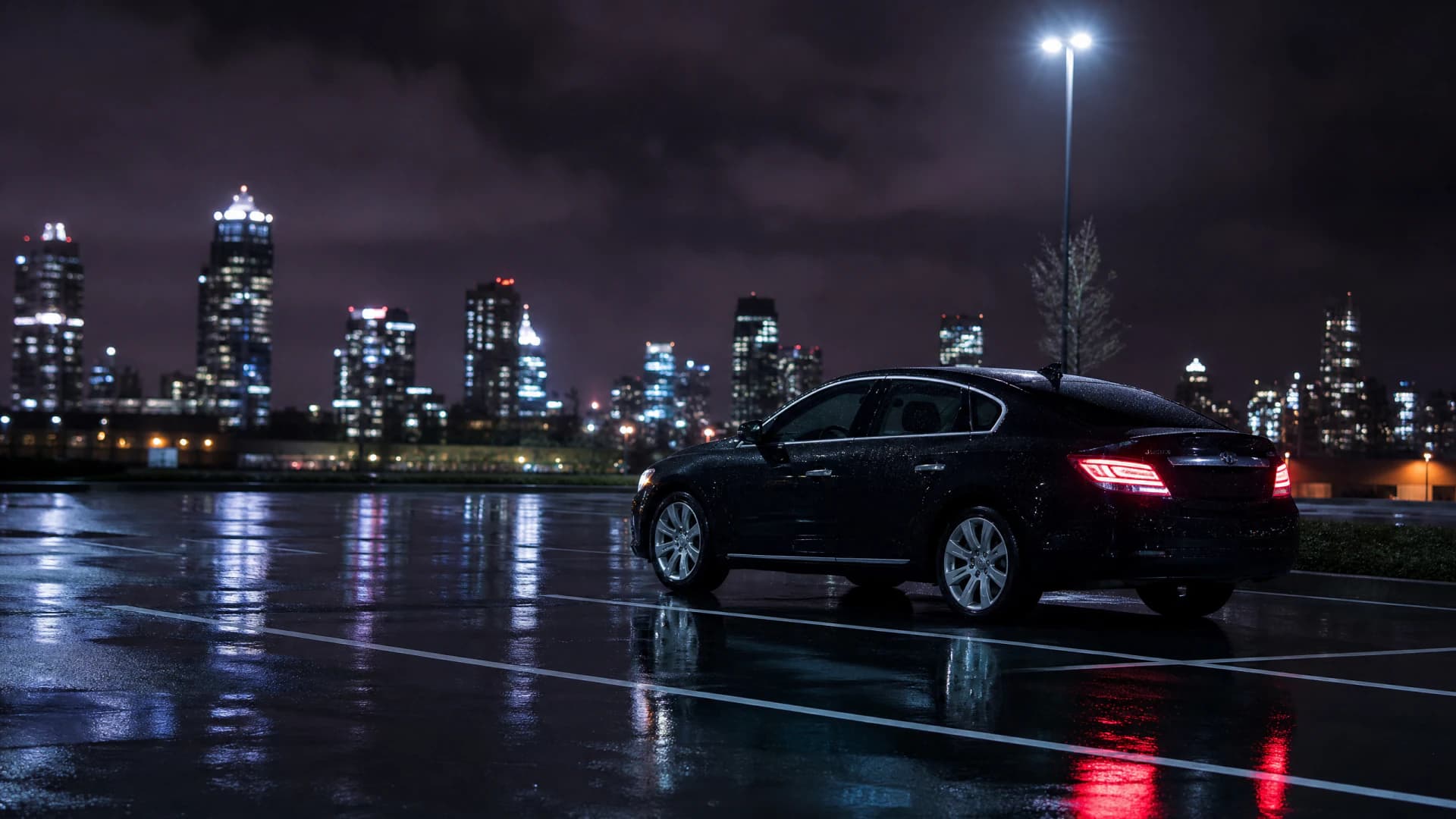
If you do not currently own a vehicle, a non-owner SR-22 policy satisfies Ohio's reinstatement requirement without insuring a car you do not drive. Geico, Progressive, The General, and Dairyland all write non-owner policies in Ohio.
Related Articles

Cheapest Suspended License Insurance in OH
6/3/2026

Cheapest Insurance After Tickets in Ohio
6/3/2026
Cheapest Insurance After OH Suspension
6/15/2026
Cheapest Insurance After OH No-Insurance Suspension
6/15/2026

Cheapest Insurance After Ticket Suspension OH
6/15/2026

Cheapest Ohio Suspended License Insurance
6/3/2026
Limited Driving Privileges During Suspension
Ohio courts—not the BMV—grant Limited Driving Privileges. If you need to drive for work, school, medical appointments, or court-ordered treatment during your suspension period, you must petition the court with jurisdiction over your case. For accident-related suspensions that did not involve OVI, that court is typically the court of common pleas in your county of residence.
The petition requires proof of SR-22 insurance, a completed application form, payment of the court's filing fee (varies by county, typically $50-$150), and documentation proving the necessity of driving privileges—employer letter, school enrollment verification, or medical appointment records. The court has discretion to grant or deny the petition. If granted, the court defines permitted purposes, routes, and time windows. Violating any restriction triggers immediate revocation of the privileges and extends your suspension period.
Ignition interlock is not required for non-OVI accident suspensions unless the court specifically orders it as a condition of granting Limited Driving Privileges. OVI-related suspensions carry mandatory interlock requirements under ORC 4510.022, but fault-based accident suspensions without alcohol involvement do not.
3 years
Ohio SR-22 Filing Period
Ohio requires SR-22 filing for three years after reinstatement for FRA violations and uninsured-accident suspensions. The clock starts on your reinstatement date, not your suspension date. If your policy lapses at any point during the three-year window, your license suspends again immediately and you restart the filing requirement from zero.
Ohio Financial Responsibility Law (ORC 4509.45)

Non-Standard Carrier Rate Behavior in Ohio
Non-standard carriers price at-fault accidents differently. Progressive and Geico use accident-severity scoring—minor property-damage accidents incur smaller surcharges than injury accidents. Bristol West and Dairyland use flat-tier pricing where any at-fault accident moves you into a fixed rate class regardless of severity. The General and Direct Auto offer incremental discounts for maintaining continuous coverage post-accident, reducing your rate by 5-10% annually if you avoid new violations.
If you're comparing quotes, request identical coverage limits from each carrier. Non-standard carriers frequently quote state minimums by default, but raising liability limits to $50,000/$100,000/$50,000 often costs less than $15/month additional and provides meaningful protection if you cause another accident during your SR-22 filing period. Collision and comprehensive coverage are optional unless you finance your vehicle—lenders require both. If you own your car outright and its market value is below $3,000, dropping collision saves $40-$80/month without meaningful financial exposure.
What to Do Right Now
Request SR-22 quotes from at least three non-standard carriers writing in Ohio. Provide each carrier with your suspension notice, accident details, and current driving record. Ask for both standard-vehicle and non-owner policy quotes if you do not currently own a car. Compare total six-month premiums, not monthly estimates—carriers structure payment plans differently and monthly costs can obscure the true annual rate. Once you select a carrier, confirm the SR-22 filing timeline in writing and verify the BMV receives the filing before you submit reinstatement fees. Missing this confirmation step is the most common procedural error that extends suspension timelines by weeks.
The Documentation Pathway to Reinstatement
First, obtain SR-22 filing from a carrier licensed to write in Ohio. The carrier files the SR-22 electronically with the BMV. Processing takes 1-5 business days. You cannot proceed to reinstatement until the BMV confirms receipt. Request written confirmation from your carrier showing the filing date and the BMV case number.
Second, pay all outstanding reinstatement fees through the Ohio BMV e-Services portal or in person at a deputy registrar location. If your suspension includes an FRA component, confirm the total fee amount before submitting payment—FRA fees are assessed separately and will not appear on generic suspension notices. Third, if your suspension resulted from a court-ordered penalty (such as failure to satisfy a judgment after the accident), obtain a court release form from the issuing court. The BMV will not process reinstatement without this release on file.
Get Your Free Quote
Get My Ohio Suspended License Insurance QuoteFrequently Asked Questions
Do I need SR-22 insurance if my license is suspended after an at-fault accident in Ohio?
Yes, if the accident occurred while you were uninsured or if it resulted in bodily injury or property damage above $400 and you could not satisfy the claim. Ohio's Financial Responsibility Act requires SR-22 filing for three years post-reinstatement in these cases. If you were insured at the time of the accident and your suspension stems solely from points accumulation, SR-22 may not be required—verify with the BMV.
Can I get a hardship license in Ohio while my license is suspended for an at-fault accident?
Ohio does not issue hardship licenses. Courts may grant Limited Driving Privileges after you petition with proof of SR-22 insurance, documentation of necessity (work, school, medical), and payment of court filing fees. The granting court defines permitted routes and hours. Violating any restriction revokes the privileges and extends your suspension.
How much does SR-22 filing cost in Ohio?
The SR-22 filing fee ranges from $40 to $75 depending on the carrier. This is a one-time fee separate from your insurance premium. Your policy premium will be higher due to the at-fault accident and non-standard classification, but the filing fee itself does not recur annually.
What happens if I let my SR-22 insurance lapse in Ohio?
The carrier notifies the Ohio BMV within 24 hours of cancellation or lapse. The BMV suspends your license immediately. You must obtain new SR-22 coverage, refile with the BMV, pay a new reinstatement fee, and restart the three-year SR-22 requirement from the date of the new filing.
Can I drive in Ohio with a suspended license if I have SR-22 insurance?
No. SR-22 insurance is required for reinstatement, but it does not authorize driving while suspended. You may not drive until the BMV processes your reinstatement and issues confirmation, or until a court grants Limited Driving Privileges with specific restrictions. Driving on a suspended license is a first-degree misdemeanor in Ohio, punishable by additional suspension time, fines up to $1,000, and possible jail time.
How long does Ohio reinstatement take after an at-fault accident suspension?
Once the BMV receives your SR-22 filing and you pay all reinstatement fees, processing typically takes 3-5 business days if submitted online through BMV e-Services, or 7-10 business days if submitted in person at a deputy registrar. Court-ordered suspensions may require additional processing time if a court release is needed.
Do I need a car to get SR-22 insurance in Ohio?
No. Non-owner SR-22 policies satisfy Ohio's filing requirement without insuring a specific vehicle. Geico, Progressive, The General, and Dairyland all write non-owner SR-22 policies in Ohio. Premiums are typically 40-60% lower than standard policies because the carrier assumes lower exposure.