
Cheapest Insurance After License Suspension — Ohio
Free to compare
You Need SR-22 Coverage Before Ohio Will Reinstate
Your Ohio license suspension letter arrived with a reinstatement checklist, and somewhere in that list sits the requirement for proof of financial responsibility — the SR-22 filing. You have 180 days minimum before you're eligible to drive again, and the BMV won't even schedule your reinstatement appointment until an insurance carrier files SR-22 on your behalf. Every day you delay finding coverage is a day your reinstatement timeline gets pushed back.
The question isn't whether you need SR-22. The question is how to get it without spending double your pre-suspension premium. Ohio law requires three years of continuous SR-22 coverage starting the day your carrier files with the Bureau of Motor Vehicles, and any lapse triggers an automatic suspension extension. You're locked into this filing for 36 months, so the cost difference between a $95/month policy and a $140/month policy compounds to $1,620 over the full term.
“Non-owner SR-22 costs roughly half what standard auto SR-22 costs because it excludes vehicle collision and comprehensive coverage.”

Get Insured and Get Your Ohio License Back
Get My Ohio Suspended License Insurance Quote$40–$75/mo
Non-Owner SR-22 Premium Range
Non-owner SR-22 policies in Ohio cost roughly half what standard auto SR-22 costs because they exclude vehicle collision and comprehensive coverage. If you don't own a car or won't be driving your household vehicle during suspension, non-owner SR-22 satisfies the BMV's filing requirement at the lowest possible premium.
Ohio carrier rate filings, 2025
SR-22 Is a Filing, Not a Coverage Type
SR-22 is not insurance. It's a certification form your carrier files with the Ohio BMV proving you carry liability coverage at or above the state minimum: $25,000 per person for bodily injury, $50,000 per accident, and $25,000 for property damage. Every carrier that writes auto insurance in Ohio can file SR-22, but not all of them will accept high-risk drivers, and the ones that do charge wildly different premiums for the same coverage.
Your premium reflects two costs: the baseline liability policy and the SR-22 filing fee. Most carriers charge $15–$50 as a one-time SR-22 processing fee, then roll that into your first premium payment. The larger cost driver is your risk profile — OVI suspensions, insurance lapses, and repeat violations all push you into non-standard underwriting tiers where premiums run 60–120% higher than standard rates.
The cheapest SR-22 policy is the one that covers your actual driving situation at the lowest tier your record qualifies for. If you own a vehicle and will drive it post-reinstatement, you need standard auto liability with SR-22. If you don't own a vehicle but need to maintain the filing during suspension, non-owner SR-22 is the correct product and costs significantly less.
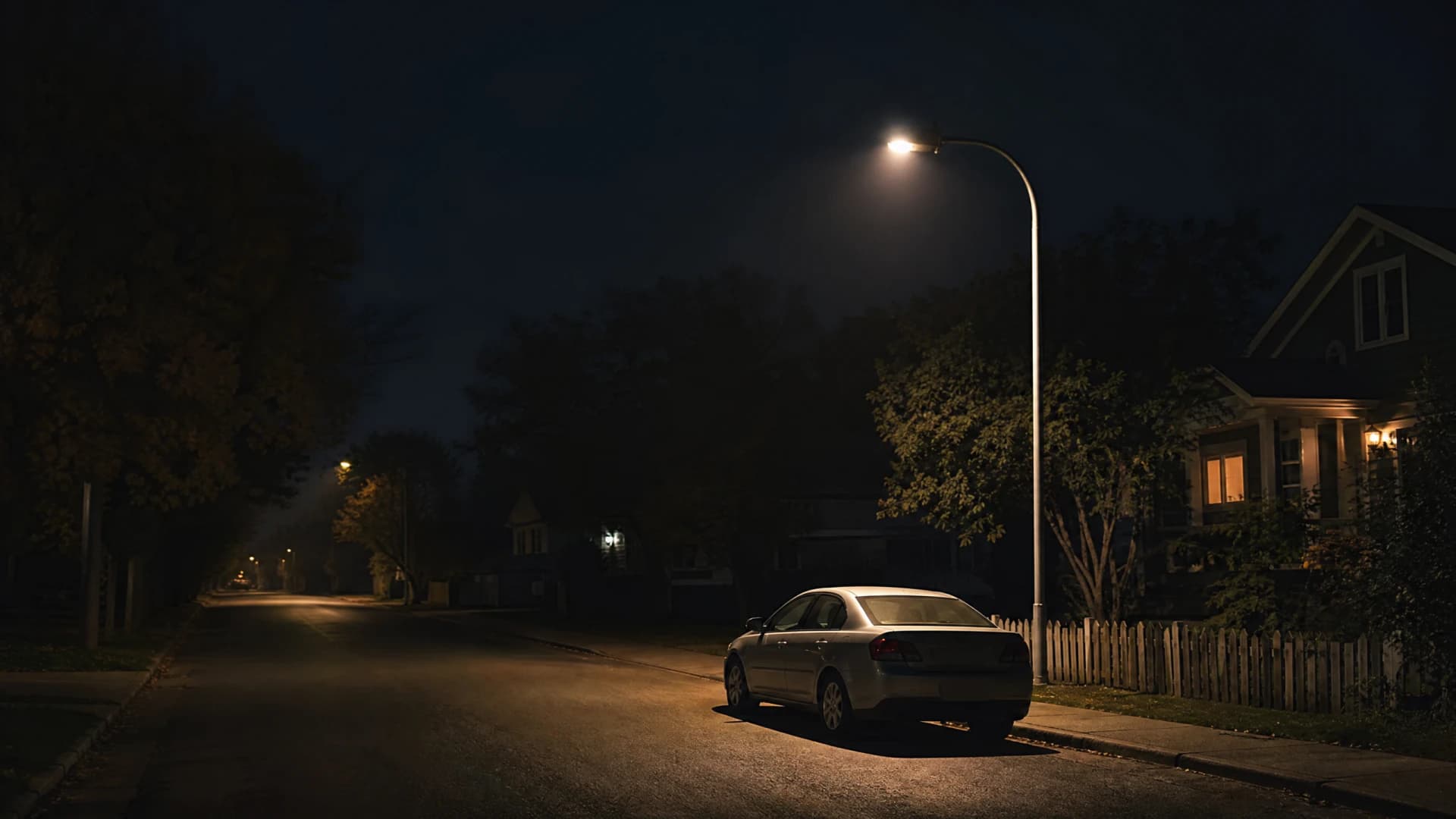
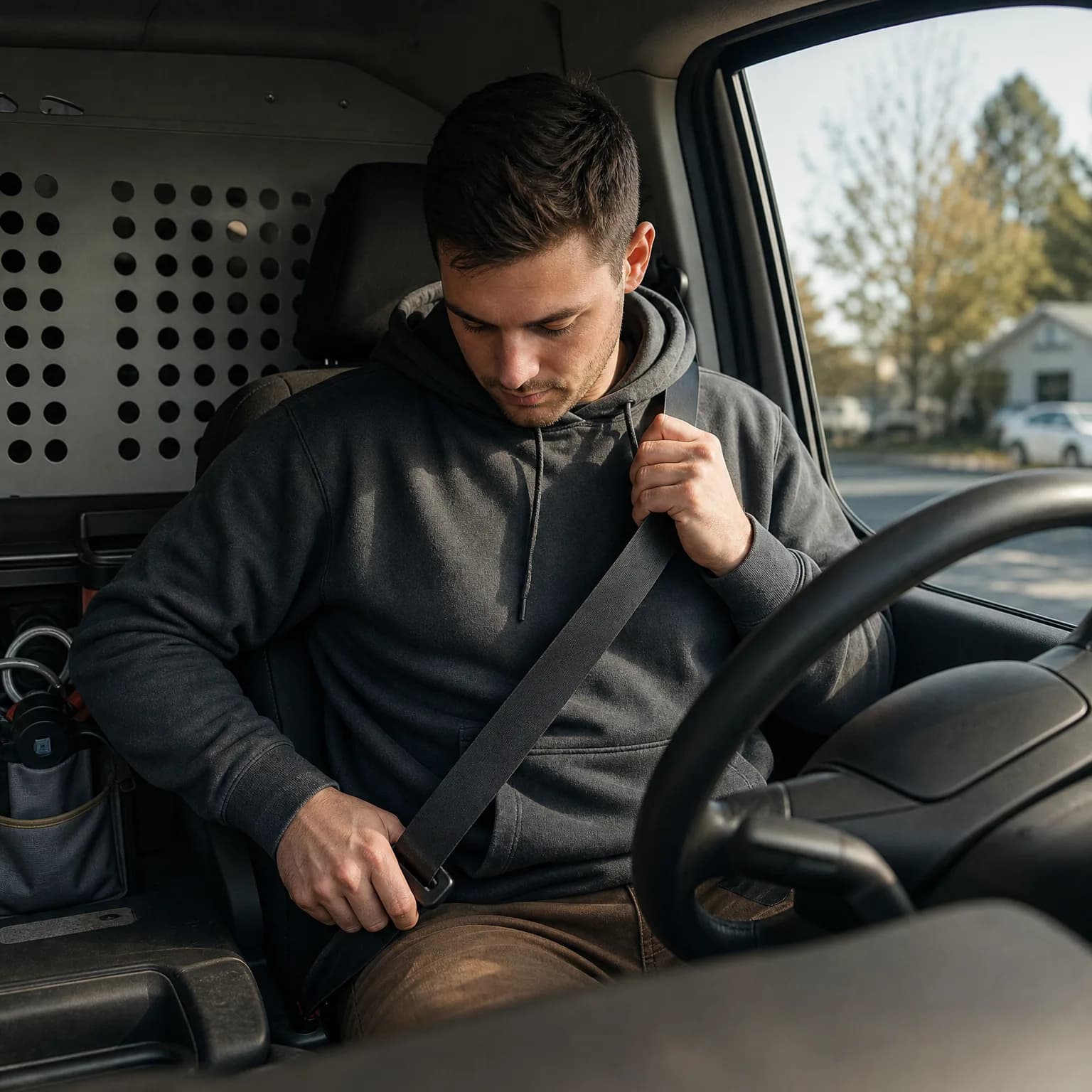
You don't need to own a car to satisfy Ohio's SR-22 requirement. Non-owner policies cover you when driving borrowed or rental vehicles and cost half what full auto SR-22 premiums run.






Which Ohio Carriers Write the Cheapest SR-22
Bristol West, Dairyland, The General, Progressive, and GAINSCO all write non-standard auto and non-owner SR-22 in Ohio. Bristol West is domiciled in Ohio and specializes in high-risk placements; Dairyland and GAINSCO focus heavily on SR-22 filers and often quote 10–15% below competitors for the same coverage. Progressive writes both standard and non-standard tiers and can sometimes place a first-offense OVI suspension in their mid-tier at rates below pure non-standard carriers.
State Farm and Geico both file SR-22 in Ohio, but their underwriting guidelines push most suspended-license applicants into declination or quote at standard-tier pricing that runs higher than non-standard specialists. If your suspension was triggered by a lapse rather than an OVI, State Farm may still quote competitively; Geico rarely does. Direct Auto and National General also write SR-22 in Ohio but focus on drivers who need in-person service or payment flexibility rather than lowest-cost premium.
The cheapest carrier for your situation depends on what triggered your suspension. OVI suspensions land in one underwriting bucket; insurance lapse and failure-to-maintain suspensions land in another. Points-based suspensions from traffic violations fall somewhere in between. You'll need quotes from at least three non-standard carriers to identify the lowest rate for your specific record.
3 years
Ohio SR-22 Filing Duration
Ohio Revised Code 4509.45 requires SR-22 filing for three years after most suspension triggers, measured from the date your carrier files the certificate with the BMV. If your policy lapses or cancels during that period, the BMV receives electronic notification within 24 hours and your license is automatically re-suspended until a new SR-22 is filed.
Ohio Revised Code 4509.45

Compare Monthly Payment Options Before You Commit
Most non-standard carriers offer monthly payment plans, but the structure varies significantly. Some carriers front-load the first two months as a deposit, then spread the remaining ten months evenly; others require 25–30% down and finance the rest at an implicit interest rate embedded in the monthly installment fee. A policy quoted at $85/month might require $340 upfront, or it might require $170 — read the payment schedule in the quote deck before you bind coverage.
Monthly installment fees add $3–$8 per payment, which compounds to $36–$96 annually. Paying in full eliminates that fee, but most suspended-license drivers don't have $900–$1,600 cash available at policy inception. If you can swing a six-month prepayment, you'll cut the installment fee burden in half and some carriers discount the base premium by 3–5% for semi-annual payment. That discount alone can offset $50–$80 over the full three-year SR-22 term.
Get Quotes Before Your Reinstatement Window Opens
Ohio requires you to complete your full suspension period before the BMV will process reinstatement. That period is 180 days minimum for most triggers; OVI suspensions run longer depending on offense count and whether you refused a chemical test. The BMV will not schedule your reinstatement appointment until SR-22 is on file, so waiting until day 179 to start shopping leaves you scrambling for coverage with no price leverage.
Start the quote process 30–45 days before your eligibility date. Carriers can bind coverage with a future effective date, and most will hold a quote for 15–30 days without requiring payment. This window gives you time to compare offers, verify the SR-22 filing will process on schedule, and arrange payment without the pressure of an expiring suspension countdown. Once your policy is active and the carrier files SR-22 electronically, the BMV updates your record within 48 hours and you can schedule your reinstatement appointment.
Non-Owner SR-22 Cuts Premium in Half
A non-owner policy provides the same bodily injury and property damage liability as standard auto insurance, but it doesn't cover collision, comprehensive, or any physical damage to a vehicle. Because the carrier assumes you're not regularly operating a specific car, the risk profile is lower and the premium reflects that reduction. Ohio carriers writing non-owner SR-22 typically quote $40–$75/month for minimum liability limits, compared to $85–$140/month for standard auto SR-22 on an owned vehicle.
Non-owner SR-22 works during suspension if you're not driving at all, or if you've been granted Limited Driving Privileges and will only operate a household member's insured vehicle for court-approved purposes. Once you reinstate and resume normal driving, you'll need to convert to a standard auto policy if you purchase a vehicle. The SR-22 filing transfers seamlessly — your carrier simply updates the certificate type with the BMV and continues the three-year clock without interruption.
Get Your Free Quote
Get My Ohio Suspended License Insurance QuoteFrequently Asked Questions
Do I need to own a car to get SR-22 insurance in Ohio?
No. Non-owner SR-22 policies satisfy Ohio's filing requirement without requiring vehicle ownership. They provide liability coverage when you drive borrowed or rental cars and cost $40–$75/month, roughly half the premium of standard auto SR-22. Once you buy a vehicle, convert to a standard policy and the SR-22 filing transfers seamlessly.
How long does Ohio require SR-22 filing after a license suspension?
Ohio requires three years of continuous SR-22 coverage starting from the date your carrier files the certificate with the BMV. If your policy lapses or cancels during that period, the BMV re-suspends your license automatically. The three-year clock does not reset if you switch carriers, as long as there's no gap in coverage.
Can I get SR-22 insurance before my Ohio license is reinstated?
Yes. You can purchase SR-22 coverage and have your carrier file the certificate with the BMV during your suspension period. In fact, the BMV requires proof of SR-22 on file before they will schedule your reinstatement appointment, so securing coverage 30–45 days before your eligibility date prevents delays.
Which Ohio insurance companies offer the cheapest SR-22 rates?
Bristol West, Dairyland, GAINSCO, Progressive, and The General consistently quote the lowest SR-22 premiums for Ohio suspended-license drivers. Dairyland and GAINSCO specialize in SR-22 filers and often run 10–15% below competitors. Progressive sometimes places first-offense OVI suspensions in their mid-tier at rates below pure non-standard carriers.
What happens if my SR-22 insurance lapses in Ohio?
Ohio carriers report policy cancellations and lapses to the BMV electronically within 24 hours. The BMV automatically re-suspends your license the same day and you must file a new SR-22 certificate and pay a reinstatement fee before driving privileges are restored. The three-year SR-22 clock does not pause — you still owe the full term from your original filing date.
Does SR-22 insurance cover me if I drive someone else's car in Ohio?
Non-owner SR-22 provides liability coverage when you drive a borrowed or rental vehicle, up to your policy limits. Standard auto SR-22 covers the vehicle listed on your policy and extends secondary liability coverage when driving other cars. Neither policy covers physical damage to a borrowed vehicle unless you add rental reimbursement or similar optional coverage.