
Non-Owner SR-22 Insurance — Ohio
Free to compare
Non-Owner SR-22 Solves the No-Vehicle Problem
Your Ohio license was suspended for OVI and you need SR-22 coverage to petition for Limited Driving Privileges or start the reinstatement process — but you sold your car after the arrest, or you never owned one. HR at your new job needs proof of insurance before you start. The court clerk told you to get SR-22 but didn't explain how to get it without a vehicle. Most insurance agents you've called either don't understand non-owner policies or claim Ohio doesn't accept them for reinstatement.
Ohio law requires proof of financial responsibility for OVI-related suspensions and most insurance-related violations. The state accepts non-owner SR-22 policies for both Limited Driving Privileges petitions and full license reinstatement. You do not need to own a vehicle. Non-owner policies cover you when driving any vehicle you don't own — borrowed cars, rental cars, employer vehicles during work hours. The BMV and Ohio courts accept this coverage as proof of financial responsibility equal to standard auto policies.
“Ohio courts and the BMV accept non-owner SR-22 as proof of financial responsibility for Limited Driving Privileges and full reinstatement — you don't need to own a car.”

Get Insured and Get Your Ohio License Back
Get My Ohio Suspended License Insurance Quote$40 reinstatement fee
Ohio BMV Base Reinstatement Fee
Ohio charges a $40 base reinstatement fee per suspension under ORC 4507.1612. OVI suspensions and Financial Responsibility Act violations carry additional fees stacked on top of the base fee — total reinstatement costs typically range $475–$650 depending on suspension type and whether Driver Intervention Program completion is required.
Ohio Revised Code 4507.1612
What Non-Owner SR-22 Actually Covers in Ohio
Non-owner SR-22 policies provide liability coverage when you drive vehicles you do not own. Ohio's minimum liability limits are $25,000 per person for bodily injury, $50,000 per accident for bodily injury, and $25,000 for property damage. The policy follows you, not a specific vehicle. If you borrow a friend's car to drive to work under Limited Driving Privileges, the non-owner policy provides secondary coverage after the vehicle owner's policy.
The policy does NOT cover vehicles you own, vehicles registered in your name, or vehicles available for your regular use. If you live with family members who own cars and you have regular access to those vehicles, most carriers will require you to be listed on the household policy instead of issuing a non-owner policy. The distinction matters — listing yourself on someone else's policy costs significantly more than a standalone non-owner policy because you're adding a high-risk driver to an existing vehicle.
Non-owner policies do NOT include collision or comprehensive coverage. The vehicle owner's policy handles damage to the car itself. Your non-owner policy pays only for liability — injuries and property damage you cause to others. For most suspended drivers petitioning for Limited Driving Privileges to commute to work, liability-only coverage meets the legal requirement.
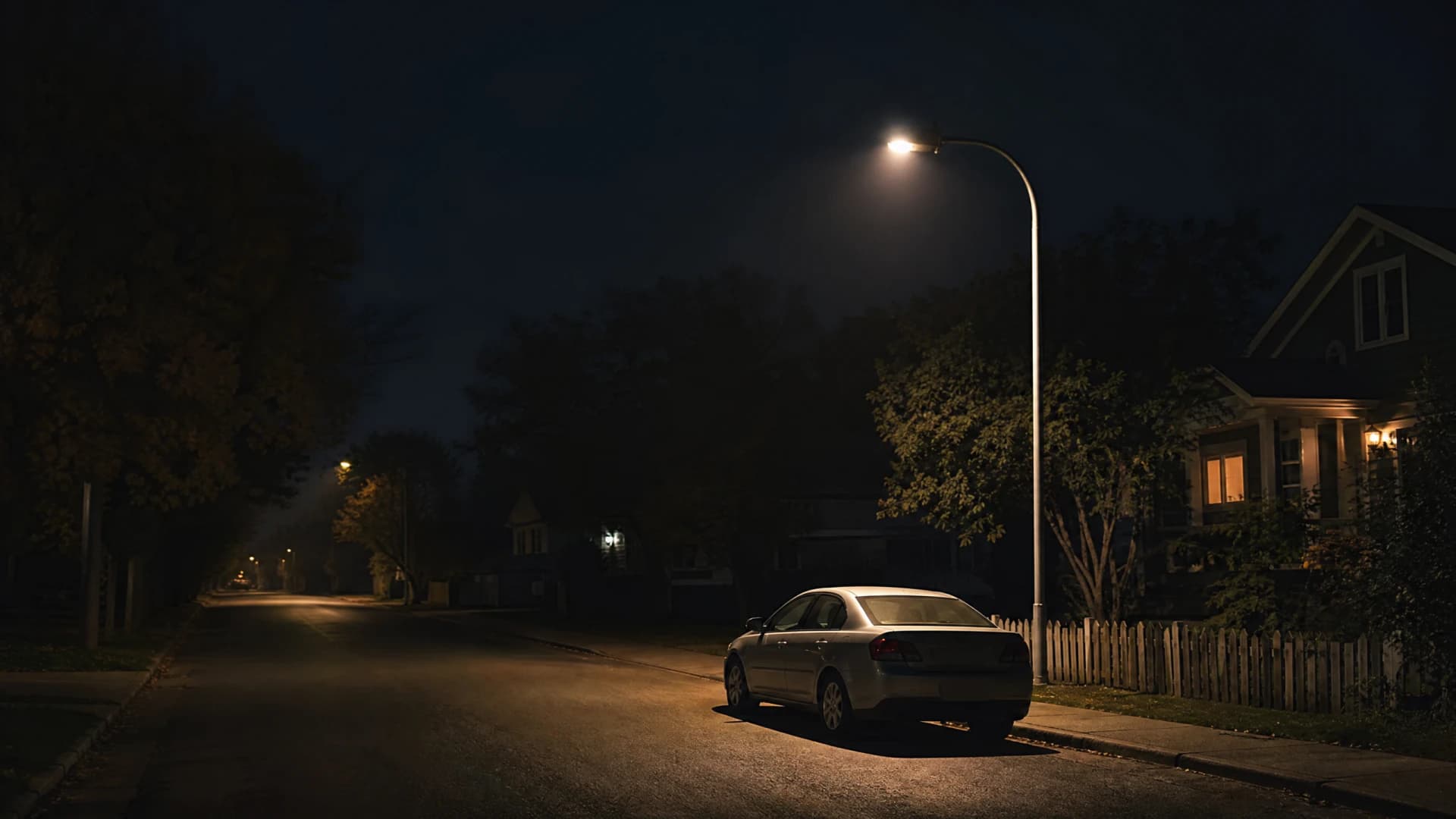
Ohio BMV and courts accept non-owner SR-22 for reinstatement and Limited Driving Privileges. You do not need to own a vehicle to satisfy proof of financial responsibility requirements.

How SR-22 Filing Works for Non-Owner Policies
When you purchase a non-owner SR-22 policy in Ohio, the carrier files an SR-22 certificate electronically with the Ohio Bureau of Motor Vehicles. The SR-22 is not a separate insurance product — it is a compliance form the carrier files on your behalf to prove you carry continuous liability coverage meeting Ohio's minimum limits. The BMV receives the filing within 24–48 hours and updates your record to reflect active financial responsibility.
Ohio requires SR-22 filing for three years following OVI convictions, measured from the conviction date, not the filing date. If you allow your non-owner policy to lapse or cancel before the three-year period expires, the carrier notifies the BMV electronically and your license is suspended again immediately. There is no grace period. Reinstatement after an SR-22 lapse requires purchasing a new policy, paying a new reinstatement fee, and restarting the three-year SR-22 clock in most cases.
For Limited Driving Privileges petitions, the court requires proof of SR-22 filing before granting driving privileges. Most courts accept a copy of the SR-22 certificate and the insurance policy declarations page. The BMV does not issue Limited Driving Privileges — Ohio courts grant them under ORC 4510.021. Once the court grants Limited Driving Privileges, the BMV updates your driving record to reflect the court-imposed restrictions. You must carry proof of the court order, your SR-22 certificate, and your insurance card whenever driving under Limited Driving Privileges.
3 years
Ohio SR-22 Filing Period for OVI
Ohio mandates three-year SR-22 filing for OVI-related suspensions under ORC 4509.45. The period runs from the conviction date. Allowing coverage to lapse before three years triggers immediate suspension and restarts the SR-22 clock. Drivers with four or more OVI offenses within 10 years face longer filing periods and harsher reinstatement conditions.
Ohio Revised Code 4509.45
When Non-Owner SR-22 Does Not Work
Non-owner policies do not cover vehicles you own or vehicles registered in your name. If you own a car — even if it's unregistered or not drivable — most carriers will not issue a non-owner policy. You must disclose vehicle ownership when applying. Lying on the application voids the policy and the SR-22 filing, which means the BMV will suspend your license again for failure to maintain financial responsibility. If you plan to purchase or register a vehicle during the SR-22 filing period, notify your carrier immediately. The non-owner policy must be converted to a standard auto policy covering the newly owned vehicle, and the carrier must file an updated SR-22 reflecting the change.
If you live with someone who owns a vehicle and you have regular access to that vehicle, carriers classify you as a household member with regular use. Most will refuse to write a non-owner policy and require you to be listed as a driver on the household policy instead. This distinction significantly increases premiums because you're adding a high-risk driver to an existing vehicle policy rather than buying standalone liability coverage. Some carriers allow non-owner policies for household members if you sign an exclusion form stating you will never drive the household vehicle, but this eliminates the coverage you need for Limited Driving Privileges.
Compare Carriers and Lock Coverage Before Petitioning
Monthly premiums for non-owner SR-22 policies in Ohio vary by carrier, conviction history, age, and county. Progressive and GEICO offer the widest online quoting availability. The General and Dairyland specialize in post-violation coverage and may offer lower rates for drivers with multiple offenses. Request quotes from at least three carriers before purchasing. Premiums can differ by $30–$50/month for identical coverage.
Purchase the non-owner SR-22 policy before filing your Limited Driving Privileges petition. Ohio courts require proof of active SR-22 filing as a condition of granting driving privileges. The SR-22 certificate and policy declarations page must be attached to your petition. Most carriers issue the SR-22 certificate within 24–48 hours of policy purchase, but courts will not grant privileges without it. If you're facing a court hearing date, buy coverage at least one week before the hearing to ensure the BMV receives the filing and updates your record. Compare non-owner SR-22 carriers now and secure coverage that keeps your Ohio reinstatement path open.
Where to Buy Non-Owner SR-22 in Ohio
Progressive, GEICO, and The General write non-owner SR-22 policies in Ohio and allow online quotes for suspended drivers. Progressive and GEICO handle SR-22 filings electronically to the Ohio BMV within 24–48 hours of policy purchase. The General specializes in high-risk drivers and lists the Ohio BMV in its SR-22 contact directory. Monthly premiums for non-owner SR-22 policies in Ohio typically range $45–$85 for drivers with one OVI conviction and no other violations. Premiums increase for multiple convictions or if the suspension involves a test refusal.
Dairyland and GAINSCO also write non-owner SR-22 coverage in Ohio. Dairyland operates in 38 states and explicitly lists non-owner policies on its SR-22 product pages. GAINSCO offers non-owner coverage through independent agents and has a network across Ohio. Both carriers file SR-22 certificates electronically with the BMV. Monthly rates are comparable to Progressive and GEICO but may require working with a local agent rather than quoting online. National General writes SR-22 policies in Ohio but non-owner availability varies by underwriting criteria — call for a quote rather than assuming online availability.
Get Your Free Quote
Get My Ohio Suspended License Insurance QuoteFrequently Asked Questions
Can I get SR-22 insurance in Ohio without owning a car?
Yes. Non-owner SR-22 policies provide liability coverage when you drive vehicles you don't own, and Ohio accepts them for license reinstatement and Limited Driving Privileges. Carriers like Progressive, GEICO, The General, and Dairyland write non-owner SR-22 in Ohio. Monthly premiums typically range $45–$85 for drivers with one OVI conviction.
Does Ohio accept non-owner SR-22 for Limited Driving Privileges?
Yes. Ohio courts accept non-owner SR-22 certificates as proof of financial responsibility when petitioning for Limited Driving Privileges under ORC 4510.021. You must attach the SR-22 certificate and policy declarations page to your court petition. The BMV does not grant Limited Driving Privileges — only courts do.
How much does non-owner SR-22 insurance cost in Ohio?
Non-owner SR-22 policies in Ohio typically cost $45–$85 per month for drivers with one OVI conviction and no other violations. Premiums increase for multiple convictions, test refusals, or additional violations during the suspension period. Rates vary by carrier, age, county, and conviction history.
How long do I need to keep non-owner SR-22 in Ohio?
Ohio requires three-year SR-22 filing for OVI-related suspensions under ORC 4509.45, measured from the conviction date. Allowing your non-owner policy to lapse before three years triggers immediate suspension and restarts the SR-22 clock. Drivers with four or more OVI offenses face longer filing periods.
Can I buy a car while I have a non-owner SR-22 policy in Ohio?
Yes, but you must notify your carrier immediately. Non-owner policies do not cover vehicles you own. The carrier must convert your non-owner policy to a standard auto policy covering the newly owned vehicle and file an updated SR-22 with the BMV. Failing to update the policy voids coverage and triggers suspension.
What if I live with someone who owns a car — can I still get non-owner SR-22?
It depends on whether you have regular access to the household vehicle. If you do, most carriers require you to be listed on the household policy instead of issuing a non-owner policy. If you sign an exclusion agreeing never to drive the household vehicle, some carriers will issue a non-owner policy, but this eliminates coverage for driving that car under Limited Driving Privileges.