
Insurance Rate Impact After Coverage Lapse — Ohio
Free to compare
Ohio Treats Coverage Lapses as License Suspensions
Your insurance carrier reported a cancellation to the Ohio BMV through the Ohio Insurance Verification System (OIVS). The BMV sent a notice. You ignored it, thinking coverage didn't matter while parked or not driving. Now your license is suspended under Ohio Revised Code § 4509.101, your vehicle registration is invalid, and you cannot legally drive until you satisfy reinstatement requirements—which include proof of continuous coverage going forward and payment of a $40 reinstatement fee.
This article clarifies what reinstatement costs after a lapse-triggered suspension in Ohio, how long SR-22 filing lasts, and what premium increases to expect when you return to the market. It also names the specific blocker most suspended drivers miss: BMV reinstatement and future premium pricing are separate mechanisms, and both penalize the lapse independently.
“Ohio BMV requires continuous SR-22 filing for three years. A single lapse resets the clock and triggers a new suspension.”

Get Insured and Get Your Ohio License Back
Get My Ohio Suspended License Insurance Quote$40
Ohio BMV Reinstatement Fee
This is the base reinstatement fee for a lapse-triggered suspension under ORC 4507.1612. If you have multiple active suspensions on record, each carries its own fee and must be cleared separately before driving privileges restore.
Ohio Revised Code 4507.1612
SR-22 Filing Is Required for Lapse Reinstatement
Ohio BMV requires proof of financial responsibility after a lapse suspension. That proof arrives as an SR-22 certificate filed electronically by a licensed carrier. The SR-22 is not insurance—it is a monitoring instrument that tells the BMV your policy remains active. If the policy cancels or lapses again, the carrier notifies the BMV immediately and your license suspends again.
SR-22 filing costs $15–$50 depending on carrier. The filing itself is inexpensive. The premium attached to the policy carrying the SR-22 is what drives total cost. Most carriers treat SR-22 filings as a risk signal and apply surcharges to the underlying policy, even when the lapse occurred because you stopped driving, not because of a violation.
Ohio requires SR-22 filing for three years after reinstatement from a lapse suspension. The three-year period starts the day the BMV receives the SR-22, not the day you apply for reinstatement. If your policy lapses during the three-year window, the SR-22 requirement resets and the clock starts over from the new filing date.
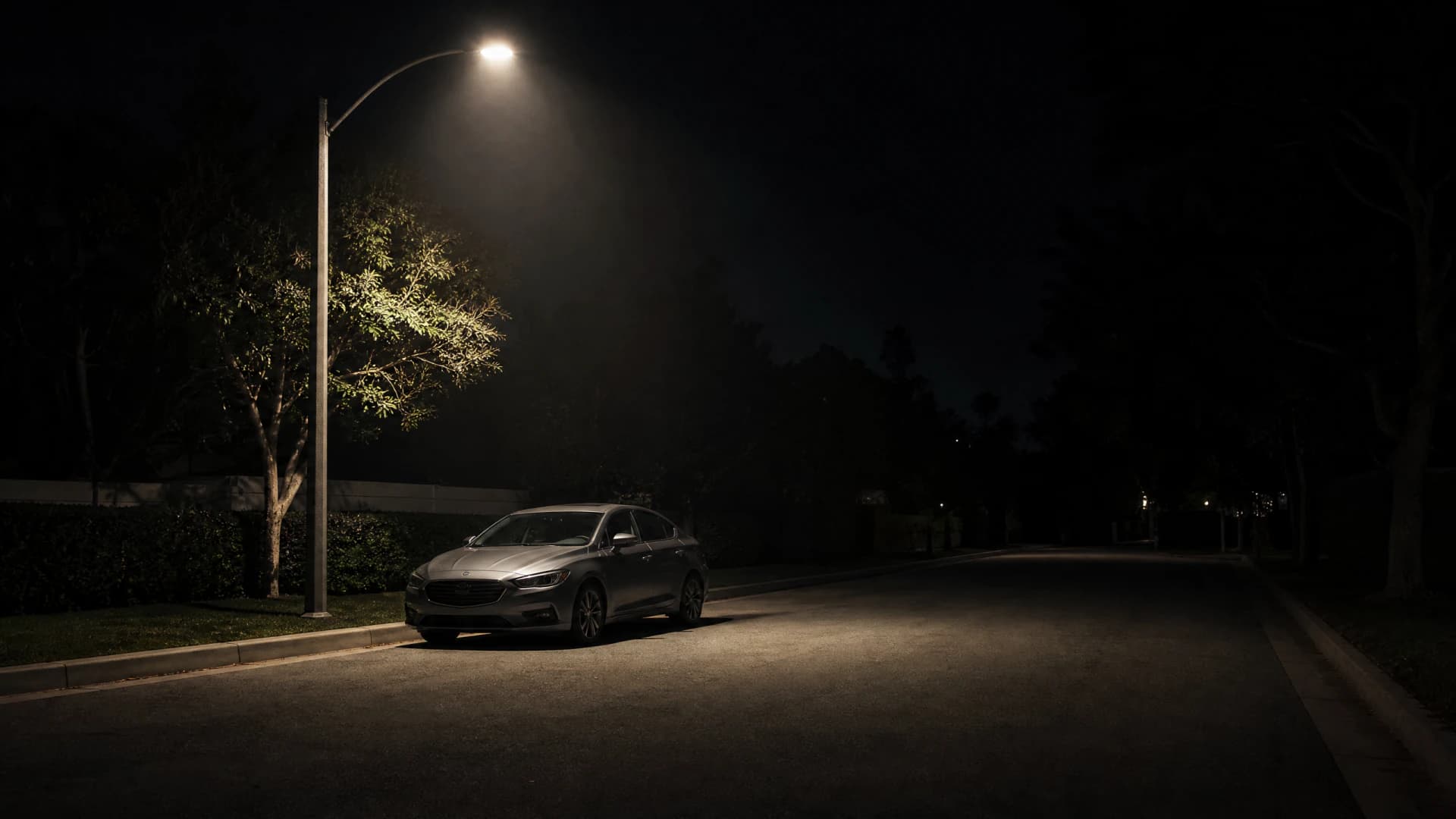
Ohio BMV requires continuous SR-22 filing for three years post-reinstatement. A single lapse during that window resets the clock to zero and triggers a new suspension.






Reinstatement Process and Timing Windows
Reinstatement after a lapse suspension follows this sequence: obtain SR-22 insurance from a licensed Ohio carrier, confirm the carrier filed the SR-22 electronically with the BMV, pay the $40 reinstatement fee online through Ohio BMV e-Services or in person at a deputy registrar office, and wait for the BMV to clear the suspension from your record. Most SR-22 filings appear in the BMV system within one to three business days. The BMV does not process reinstatements until the SR-22 is on file.
If you had multiple suspensions active simultaneously—for example, a lapse suspension and an unpaid ticket suspension—you must satisfy each suspension's reinstatement conditions separately and pay each fee before driving privileges restore. Ohio BMV does not consolidate suspensions. Each operates on its own timeline and carries its own fee.
Failure to maintain continuous coverage during the three-year SR-22 period triggers immediate re-suspension. The BMV receives electronic notice from the carrier the day the policy cancels. You will not receive advance warning. By the time you learn the policy lapsed, your license is already suspended again. Reinstatement after a second lapse requires a new SR-22 filing, a new $40 fee, and a new three-year monitoring period starting from the new filing date.
1–3 business days
Ohio SR-22 Filing Window
Most carriers file SR-22 certificates electronically with the Ohio BMV within one to three business days of policy activation. The BMV will not process reinstatement until the SR-22 appears in their system, so confirm filing status with your carrier before paying the reinstatement fee.
Ohio BMV OIVS program documentation

Non-Owner SR-22 Policies for Drivers Without Vehicles
If you do not currently own a vehicle, you still need SR-22 coverage to satisfy Ohio BMV reinstatement requirements. Non-owner SR-22 policies provide liability coverage when you drive a vehicle you do not own—a borrowed car, a rental, or a vehicle you drive for work. The policy includes the SR-22 filing and meets BMV proof-of-financial-responsibility rules without requiring you to insure a titled vehicle.
Non-owner policies cost less than standard policies because they carry lower liability exposure. Monthly premiums for non-owner SR-22 coverage in Ohio typically range from $40–$80 depending on age, county, and driving history. Carriers writing non-owner SR-22 in Ohio include Progressive, GEICO, Dairyland, The General, and GAINSCO. Not all carriers offer non-owner policies, so confirm availability when requesting quotes.
Compare SR-22 Carriers Before Filing
SR-22 premium variation across carriers in Ohio is significant. The same driver profile can receive quotes ranging from $85/month to $190/month depending on carrier risk models and underwriting tier placement. Non-standard carriers (Bristol West, Dairyland, The General, Direct Auto, GAINSCO) often price lapse cases lower than standard-market carriers (State Farm, Allstate, Nationwide) because their underwriting models are built around higher-risk profiles.
Request quotes from at least three carriers before selecting a policy. Confirm each quote includes the SR-22 filing fee and verify the carrier will file electronically with Ohio BMV. Some carriers require full payment upfront before filing; others allow monthly payments but delay SR-22 filing until the first payment clears. Clarify filing timing during the quote process to avoid reinstatement delays.
Premium Increases After Lapse in Ohio
Ohio drivers returning to the market after a lapse-triggered suspension face premium increases of 20–40% compared to their pre-lapse rate. The increase reflects two pricing factors: the lapse itself, which most carriers treat as a coverage gap that interrupts continuous insurance history, and the SR-22 filing requirement, which carriers use as a risk tier assignment signal. Some non-standard carriers (Bristol West, Dairyland, The General, GAINSCO) specialize in lapse cases and may offer lower initial premiums than standard-market carriers, but those rates still exceed what a driver with continuous coverage would pay.
Premiums do not automatically drop after the three-year SR-22 period ends. The lapse remains on your insurance history for three to five years depending on carrier underwriting rules. Rate relief comes gradually as the lapse ages and as you build new continuous coverage history. Switching carriers after the SR-22 period expires sometimes produces better rates than waiting for your current carrier to reduce premiums, because new carriers cannot see the SR-22 filing itself—only the underlying lapse event, which fades in underwriting weight over time.
Get Your Free Quote
Get My Ohio Suspended License Insurance QuoteFrequently Asked Questions
Does insurance go up after a lapse in Ohio?
Yes. Ohio drivers returning to coverage after a lapse-triggered suspension face premium increases of 20–40% compared to pre-lapse rates. The increase reflects both the coverage gap and the SR-22 filing requirement, which carriers use as a risk signal even when no violation occurred.
How long does SR-22 filing last after a lapse in Ohio?
Ohio requires SR-22 filing for three years after reinstatement from a lapse suspension. The three-year period starts the day the BMV receives the SR-22 certificate. If your policy lapses during the monitoring period, the requirement resets and a new three-year window begins.
Can I get SR-22 insurance without owning a car in Ohio?
Yes. Non-owner SR-22 policies provide liability coverage when you drive vehicles you do not own and include the SR-22 filing required for Ohio BMV reinstatement. Monthly premiums for non-owner SR-22 in Ohio typically range from $40–$80 depending on county and driving history.
What happens if my SR-22 policy lapses in Ohio?
The carrier notifies the Ohio BMV electronically the day your policy cancels. Your license suspends immediately. Reinstatement requires a new SR-22 filing, payment of a new $40 BMV fee, and a new three-year SR-22 monitoring period starting from the new filing date.
How much does Ohio charge to reinstate a license after a lapse?
The Ohio BMV charges a $40 base reinstatement fee for lapse-triggered suspensions under ORC 4507.1612. If you have multiple active suspensions on record, each carries its own reinstatement fee and must be cleared separately before driving privileges restore.
Which carriers write SR-22 insurance in Ohio after a lapse?
Carriers writing SR-22 coverage in Ohio include Progressive, GEICO, State Farm, Dairyland, The General, Bristol West, Direct Auto, GAINSCO, National General, and Acceptance Insurance. Non-standard carriers often price lapse cases lower than standard-market carriers because their underwriting models are built for higher-risk profiles.