
Non-Owner SR-22 Insurance After DUI — Ohio
Free to compare
Why Ohio Requires SR-22 When You Don't Own a Car
You received your OVI conviction, your license was suspended, and now the Ohio BMV reinstatement letter says you need SR-22 insurance before your driving privileges can be restored. You don't own a vehicle. You sold your car before the conviction, or you never owned one. The requirement makes no sense — why would the state demand auto insurance from someone with no car to insure?
The SR-22 filing requirement exists to prove future financial responsibility, not to insure a specific vehicle. Ohio Revised Code § 4509.45 requires drivers convicted of OVI to maintain proof of financial responsibility for 3 years following conviction. The SR-22 certificate is the mechanism Ohio uses to monitor compliance. The filing tracks whether you're carrying liability coverage that meets state minimums — $25,000 per person, $50,000 per accident for bodily injury, $25,000 for property damage — regardless of whether you own a car. If your coverage lapses at any point during the 3-year filing period, your insurer notifies the BMV electronically through the Ohio Insurance Verification System, and your license is automatically re-suspended.
“The SR-22 filing tracks liability coverage that meets state minimums regardless of whether you own a car.”

Get Insured and Get Your Ohio License Back
Get My Ohio Suspended License Insurance Quote3 years
Ohio OVI SR-22 Period
Ohio Revised Code § 4509.45 mandates continuous SR-22 filing for 3 years following OVI conviction, measured from the conviction date. The clock does not reset when you reinstate your license — it runs from the day you were convicted, not the day you file the SR-22. A lapse at any point during the 3-year window triggers automatic suspension.
Ohio Revised Code § 4509.45
What Non-Owner SR-22 Insurance Actually Covers
Non-owner SR-22 insurance is liability-only coverage that follows you, not a vehicle. The policy covers bodily injury and property damage you cause while driving a borrowed car, a rental, or a vehicle you don't own. It does not cover physical damage to the vehicle you're driving — that's the vehicle owner's responsibility through their own collision and comprehensive coverage. It does not cover a car you own, lease, or have regular access to. If you live with a relative who owns a car and you drive it regularly, most carriers will not sell you a non-owner policy — they'll require you to be listed on the vehicle owner's policy as a rated driver.
The coverage limits must meet Ohio's minimum liability requirements: $25,000 per person for bodily injury, $50,000 per accident for bodily injury, and $25,000 for property damage. You can purchase higher limits, and many carriers recommend it — if you cause an at-fault accident while driving a borrowed car and your liability exceeds $25,000 per person, you're personally responsible for the difference. The policy also satisfies the SR-22 filing requirement. When you purchase non-owner coverage from an Ohio-licensed carrier, the insurer files the SR-22 certificate with the BMV electronically within 24-48 hours of policy activation.
Non-owner policies do not include uninsured motorist coverage, personal injury protection, or medical payments unless you specifically request them as add-ons. Most carriers offer uninsured motorist coverage as an optional endorsement for non-owner policies, and it's often worth the additional $10–$15/month — Ohio has no mandatory uninsured motorist coverage requirement, and if you're injured by an uninsured driver while operating a borrowed vehicle, the vehicle owner's policy may not cover your injuries.

If you own a vehicle or have regular access to one, carriers will deny your non-owner application. The BMV does not distinguish between owner and non-owner SR-22 — you need continuous filing for 3 years regardless.



How to Purchase Non-Owner SR-22 Coverage
Call carriers directly or work with an independent agent who writes high-risk coverage. Not all carriers advertise non-owner policies online — Dairyland, GAINSCO, and The General offer online quotes, but many carriers require you to call or work through an agent to bind a non-owner SR-22 policy. When you request a quote, specify that you need SR-22 filing for an OVI conviction in Ohio and that you do not own a vehicle. The underwriter will ask whether you have regular access to a vehicle — if you live with someone who owns a car and you drive it more than occasionally, you're not eligible for a non-owner policy and must be added to the vehicle owner's policy as a rated driver.
You'll need your Ohio driver's license number, the conviction date from your OVI case, and payment for the first month's premium plus any policy fees. Most non-owner policies have a $25–$50 policy fee at issuance. The carrier files the SR-22 certificate with the Ohio BMV electronically within 24-48 hours of binding the policy. You do not need to file any forms with the BMV yourself — the insurer handles the filing, and the BMV updates your record automatically once the SR-22 is received.
If you're still serving a suspension period and cannot drive yet, you can purchase the non-owner SR-22 policy before your reinstatement date. The 3-year SR-22 filing clock runs from your conviction date, not your reinstatement date, so buying coverage early ensures you're already in compliance when your suspension ends. The policy will remain active and the SR-22 filing will remain on file as long as you pay your premiums. A single missed payment triggers automatic cancellation, the insurer notifies the BMV electronically, and your license is re-suspended — even if you've already completed your original suspension term.
$25–$45/mo
Non-Owner SR-22 Premium Range
Ohio non-owner SR-22 policies for drivers with a single OVI and no other recent violations typically cost $25–$45/month for minimum state liability limits. Rates increase with additional violations, younger age (under 25), or higher-risk counties. Policies include the SR-22 filing fee, which is built into the monthly premium.
Estimates based on available carrier filings; individual rates vary by driving history and location.
What Happens If Your Non-Owner Policy Lapses
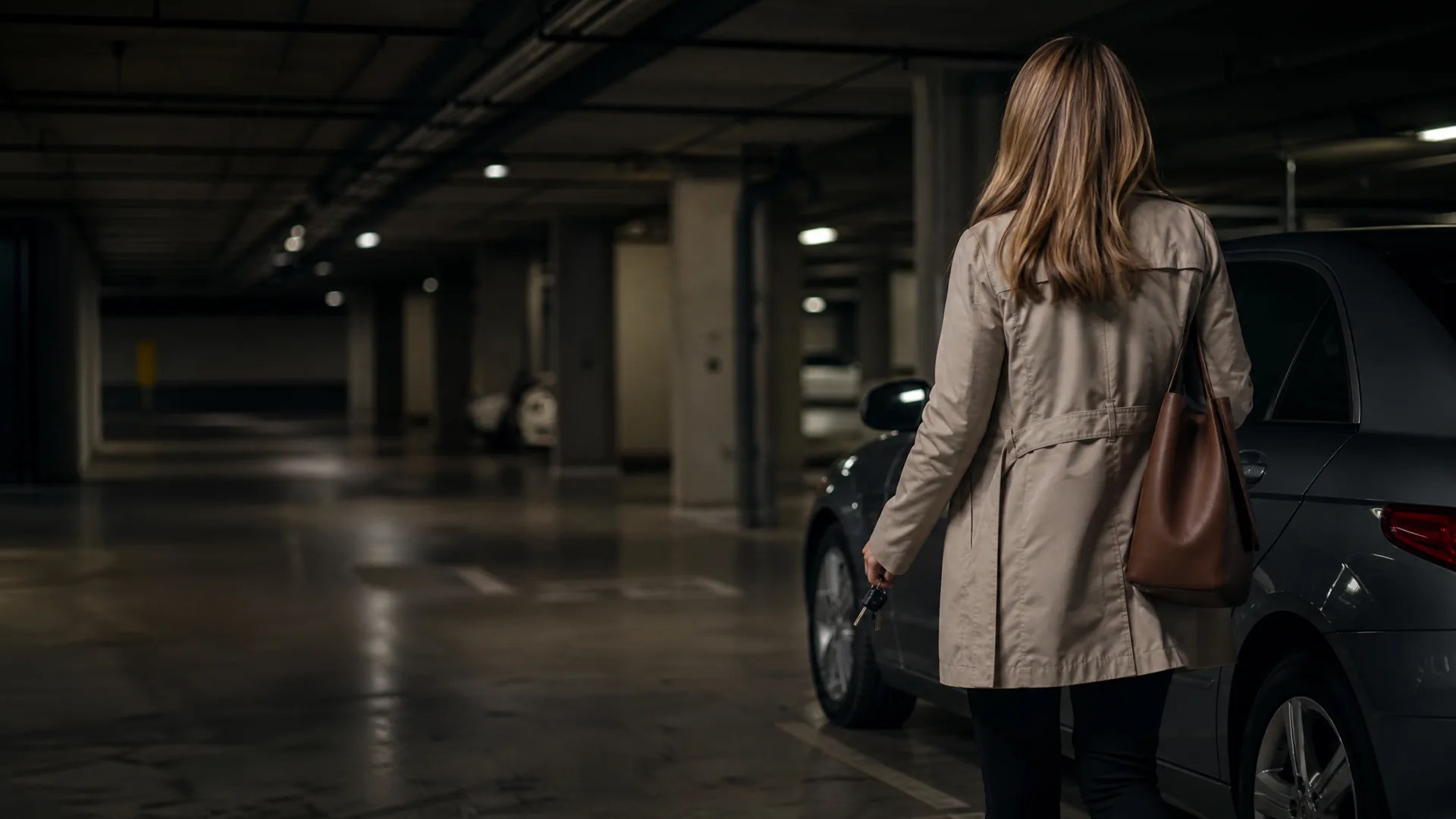
Ohio's electronic insurance verification system monitors your SR-22 filing status continuously. When you miss a premium payment and your non-owner policy cancels, the insurer is legally required to notify the Ohio BMV within 24 hours. The BMV automatically suspends your license the day it receives the lapse notification. You receive no grace period. You do not receive advance warning. The suspension is immediate and remains in effect until you purchase a new policy, the new insurer files a new SR-22 certificate, and you pay a $40 reinstatement fee to the BMV.
The 3-year SR-22 filing period does not pause when your policy lapses. If you lapse 18 months into your 3-year requirement, you still owe 18 months of continuous filing after reinstatement — the clock does not restart, but any gap in coverage extends the end date. If you allow multiple lapses, the BMV may impose additional suspension time or require you to complete remedial courses before reinstating. Some carriers will not re-insure drivers with lapse history, and those that do charge significantly higher premiums — expect rates to double after a lapse-related suspension.
Compare Non-Owner SR-22 Carriers in Ohio
Rates vary by $20–$40/month between carriers writing non-owner SR-22 for OVI offenders in Ohio. Dairyland, The General, and GAINSCO specialize in high-risk coverage and price competitively for drivers with recent OVI convictions. Progressive and Geico offer lower rates for drivers with a single OVI and clean records otherwise, but may decline coverage if you have multiple violations or a lapse history. Request quotes from at least three carriers before binding — the lowest rate for one driver may not be the lowest for another depending on age, county, and violation details.
Work with an independent agent if direct quotes are not available online. Independent agents contract with multiple non-standard carriers and can compare rates across Dairyland, Bristol West, National General, and regional carriers not accessible through consumer quote platforms. Agents do not charge a fee for quoting — they're compensated by the carrier when you bind a policy. Verify that any quote includes SR-22 filing and that the carrier is licensed in Ohio before providing payment.
Carriers Writing Non-Owner SR-22 in Ohio
Dairyland underwrites high-risk drivers specifically and writes non-owner SR-22 policies in 38 states including Ohio. Monthly premiums for non-owner SR-22 after OVI typically range $45–$75/month depending on age, violation history, and county. Dairyland files the SR-22 certificate electronically with the Ohio BMV within 24 hours of policy activation. Policies can be purchased online or through independent agents.
Progressive writes non-owner policies with SR-22 endorsement for Ohio drivers with OVI convictions. Rates typically range $35–$60/month. Progressive's non-owner SR-22 policies are available through their direct online platform and through independent agents. The company is headquartered in Mayfield Village, Ohio, and is one of the largest writers of non-standard auto coverage in the state. The General specializes in non-standard and high-risk auto insurance and writes non-owner SR-22 policies for Ohio OVI offenders. Monthly premiums typically range $50–$80/month. The General files SR-22 certificates electronically and offers online quote tools and phone enrollment. GAINSCO and Geico also write non-owner SR-22 in Ohio, with Geico offering some of the lowest rates for drivers with a single OVI and no other recent violations — typically $25–$45/month for non-owner SR-22 coverage.
Get Your Free Quote
Get My Ohio Suspended License Insurance QuoteFrequently Asked Questions
Can I get SR-22 insurance in Ohio without owning a car?
Yes. Non-owner SR-22 insurance is liability-only coverage that satisfies Ohio's SR-22 filing requirement without requiring you to own a vehicle. The policy covers you while driving borrowed or rental cars and costs $25–$75/month depending on your driving record. Carriers including Dairyland, Progressive, Geico, The General, and GAINSCO write non-owner SR-22 policies for Ohio drivers with OVI convictions.
How long do I need SR-22 after an OVI in Ohio?
Ohio requires continuous SR-22 filing for 3 years following an OVI conviction, measured from the conviction date. The filing period does not reset when you reinstate your license. If your insurance lapses at any point during the 3 years, the BMV suspends your license immediately and the requirement continues from where it left off — gaps do not restart the clock but extend the end date.
What happens if my non-owner SR-22 policy lapses in Ohio?
The Ohio BMV suspends your license immediately when it receives electronic notification of the lapse from your insurer, typically within 24 hours of cancellation. You receive no grace period. Reinstatement requires purchasing new coverage, filing a new SR-22 certificate, and paying a $40 reinstatement fee. The lapse extends your 3-year SR-22 requirement and makes future coverage significantly more expensive.
Does non-owner SR-22 insurance cover rental cars in Ohio?
Yes. Non-owner SR-22 policies provide liability coverage when you drive a rental car, borrowed car, or any vehicle you don't own. The policy covers bodily injury and property damage you cause but does not cover physical damage to the rental vehicle itself — rental companies offer separate collision damage waivers for that. Your non-owner policy satisfies the rental company's insurance requirement in most cases.
How much does non-owner SR-22 cost after a DUI in Ohio?
Non-owner SR-22 policies in Ohio typically cost $25–$75/month for drivers with a single OVI conviction and no other recent violations. Rates vary by carrier, age, county, and driving history. Geico and Progressive often offer the lowest rates ($25–$45/month) for single-OVI drivers; Dairyland, The General, and GAINSCO price higher ($45–$75/month) but accept drivers with more complex violation histories.
Can I buy non-owner SR-22 before my Ohio license is reinstated?
Yes. You can purchase non-owner SR-22 coverage while still serving your suspension period. The 3-year SR-22 filing clock runs from your conviction date, not your reinstatement date, so buying coverage early ensures you're already in compliance when your suspension ends. The policy remains active and the SR-22 stays on file as long as you pay premiums.