
Cheapest Insurance for Limited Driving Privileges — Ohio
Free to compare
Why Standard Carriers Won't Quote Your LDP Case
You petitioned the court, waited through the hard suspension period, paid the filing fee, and finally received your Limited Driving Privileges order. You called your old carrier expecting reinstatement — they either refused to quote or returned a monthly premium higher than your car payment. You're not being penalized for the privilege itself. You're being tiered for the violation that triggered your suspension in the first place.
Ohio LDP is granted by courts, not the BMV. The court order defines your permitted routes and hours — work, school, medical appointments, court-ordered treatment — but it does not change your underwriting profile. If your suspension originated from an OVI conviction, excessive points, or uninsured driving, you now carry that violation history into every quote request. Standard carriers (State Farm, Allstate, Nationwide) either exclude applicants with recent OVI convictions outright or tier them into high-risk pools that price most drivers out. The carriers that write your case are non-standard specialists, and most comparison tools don't include them.
“Rate spread between carriers writing Ohio LDP cases exceeds $1,200 annually — the cheapest carrier in one county is often the most expensive in another.”

Get Insured and Get Your Ohio License Back
Get My Ohio Suspended License Insurance Quote$140–$220/mo
Ohio LDP Monthly Premium Range
Non-standard carriers writing Ohio court-privilege cases charge $140–$220 per month for state minimum liability coverage. Rates vary by violation type, county, age, and whether SR-22 filing is required. OVI cases with SR-22 land at the upper end; points-suspension cases without SR-22 land lower.
How Ohio Carriers Tier LDP Holders
Carriers tier drivers with Limited Driving Privileges based on the suspension trigger, not the privilege itself. An OVI conviction places you in the highest non-standard tier regardless of whether you hold LDP or full reinstatement. A points suspension for multiple speeding tickets places you in a mid-tier non-standard category. An administrative suspension for unpaid fines may not tier you at all if no moving violations appear on your record.
SR-22 filing is required for OVI-related LDP and for most insurance-lapse suspensions. Ohio Revised Code 4510.022 mandates ignition interlock for OVI cases, and carriers price the interlock requirement into the premium even though the device itself is billed separately. If your suspension was triggered by unpaid tickets or failure to appear, SR-22 is typically not required — but you still need continuous liability coverage to comply with the court's LDP conditions.
Non-owner policies cost 40–50% less than owner policies when you do not have a vehicle registered in your name. If you're using LDP to commute via rideshare, borrowed vehicles, or employer-provided transport, a non-owner SR-22 policy satisfies both the court requirement and Ohio's proof-of-financial-responsibility rules. Dairyland, The General, and Progressive write non-owner SR-22 in Ohio; GEICO writes non-owner but availability varies by county.
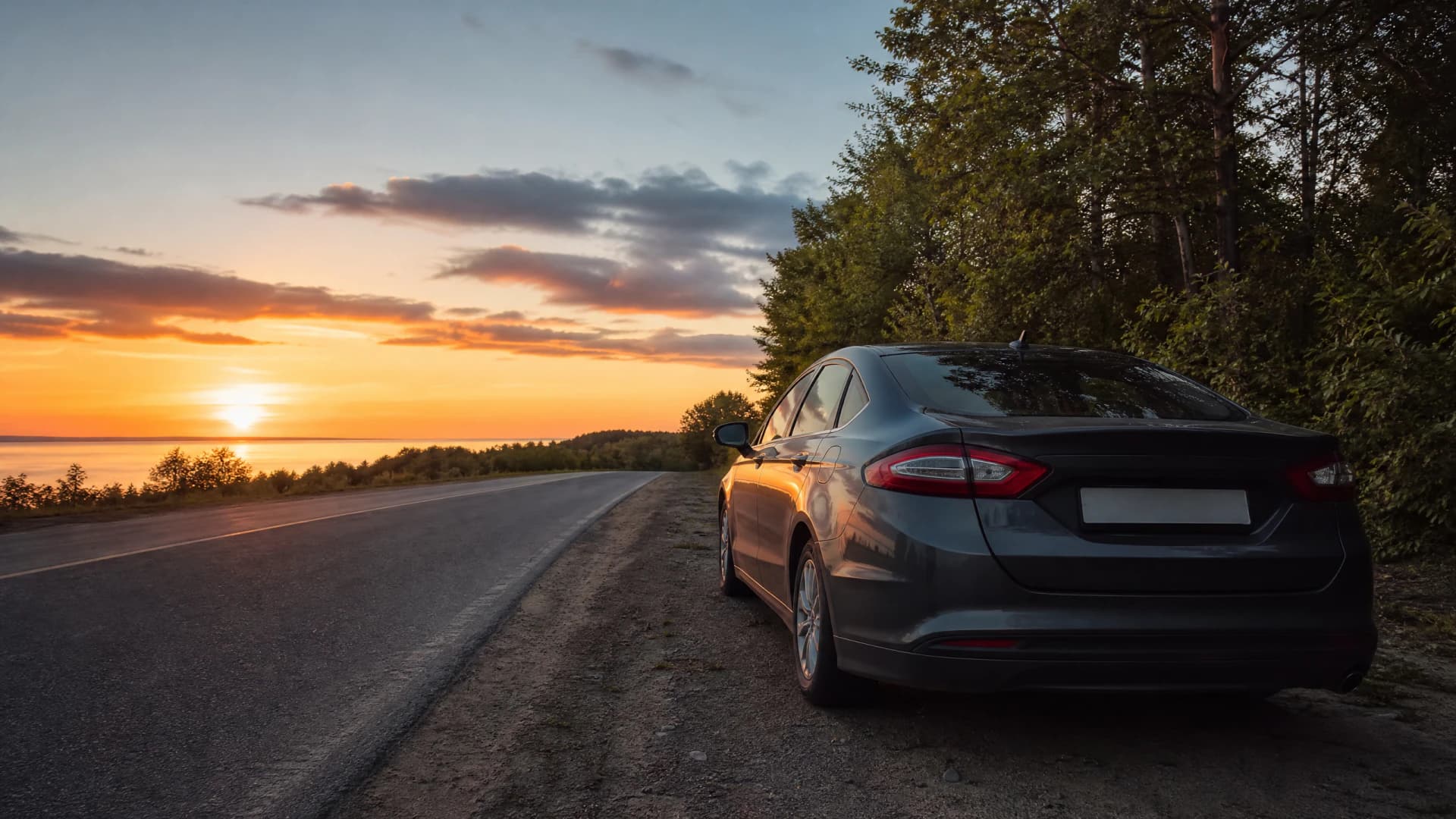
Most LDP denials happen because applicants quote standard carriers that don't write court-privilege cases — the court grants the privilege, but the driver never secures compliant insurance.
Related Articles





SR-22 Filing Costs and Duration
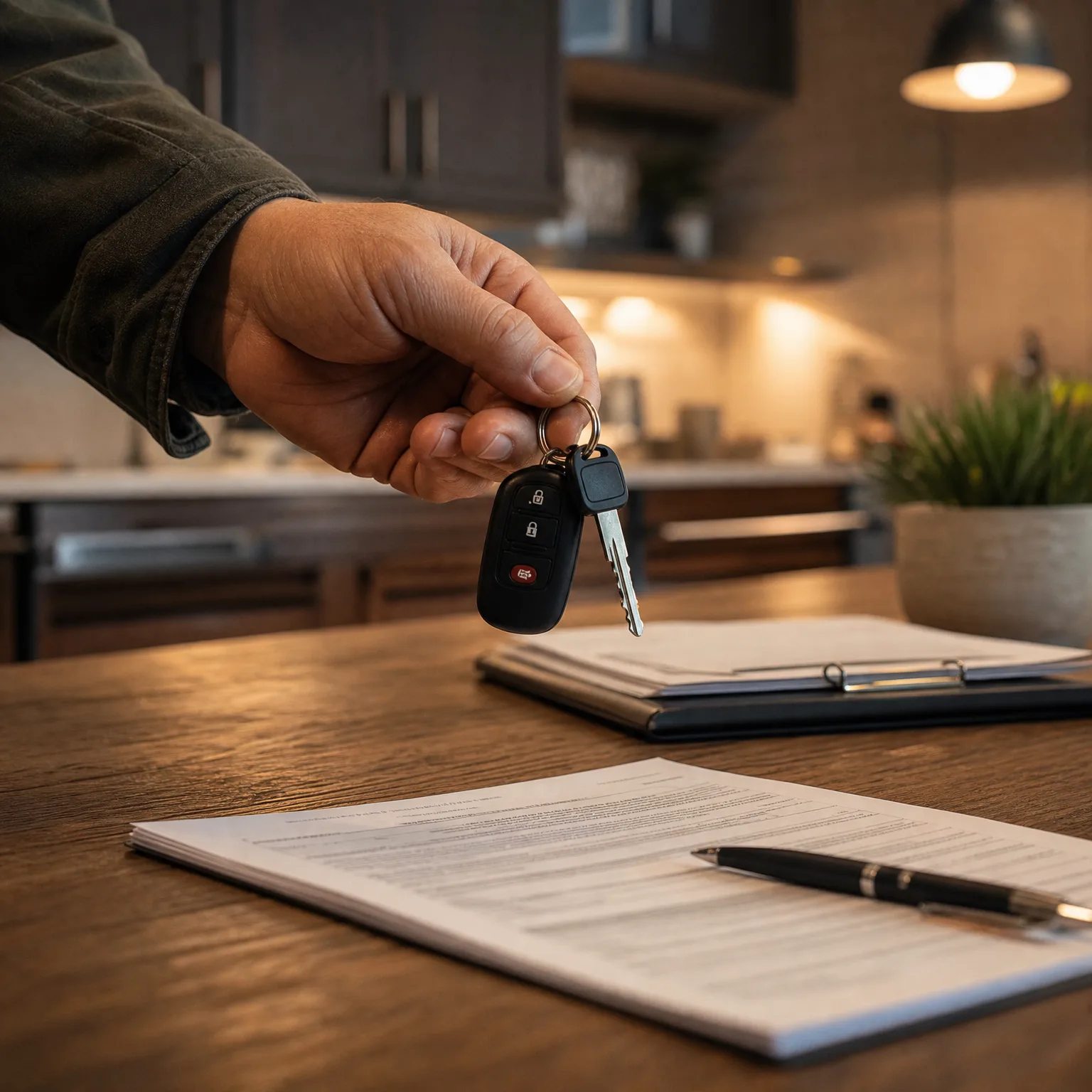
SR-22 is a certificate of financial responsibility filed by your carrier with the Ohio BMV. It is not a separate insurance policy. The carrier charges a one-time filing fee of $15–$25 to submit the form electronically. Ohio requires SR-22 filing for 3 years following an OVI conviction, measured from the conviction date, not the filing date. If your SR-22 lapses at any point during the 3-year period — because you canceled your policy, missed a payment, or switched carriers without filing continuity — the BMV suspends your license again immediately and you start the 3-year clock over.
Carriers file SR-22 within 24–72 hours of binding coverage. The BMV processes the filing electronically in real time. Your LDP remains valid as long as continuous SR-22 coverage is on file. When switching carriers mid-filing period, confirm that the new carrier files SR-22 before you cancel the old policy. A gap of even one day triggers automatic suspension. Non-owner SR-22 policies satisfy the filing requirement if you do not own a vehicle; if you later purchase a vehicle, notify your carrier immediately to convert the policy to an owner policy. Failure to update your policy type within 30 days of vehicle purchase can void your SR-22 filing.
$40
Ohio License Reinstatement Fee
Ohio BMV charges a $40 base reinstatement fee after suspension. OVI offenders face additional fees for the ignition interlock program and the Driver Intervention Program (DIP) — typically a 3-day residential course costing $250–$375. FRA suspensions (insurance lapse) carry separate reinstatement fees of $75–$100.
Ohio BMV, ORC 4507.1612

Non-Owner Policies for Drivers Without a Vehicle
If you sold your vehicle after suspension, do not own a car, or use borrowed vehicles exclusively during your LDP period, a non-owner SR-22 policy costs 40–50% less than an owner policy. Non-owner policies provide liability coverage when you drive a vehicle you do not own. They do not cover vehicles registered in your name, vehicles you use regularly (such as a spouse's car), or rental vehicles unless you purchase the rental agency's coverage.
Dairyland, The General, Progressive, and GEICO write non-owner SR-22 in Ohio. Monthly premiums for non-owner policies range from $60–$120 depending on violation severity and county. GEICO availability varies — some counties route non-owner applicants to GEICO General, their non-standard subsidiary. The General and Dairyland have the broadest Ohio footprint for non-owner SR-22 and rarely decline LDP applicants. When you purchase a vehicle, you must convert your non-owner policy to an owner policy within 30 days. Carriers will not backdate coverage — the gap between vehicle purchase and policy conversion leaves you uninsured and violates both your LDP conditions and Ohio's financial responsibility law.
Compare Carriers Before You Commit
Rate spread between carriers writing Ohio LDP cases exceeds $1,200 annually in most counties. The cheapest carrier for an OVI case with SR-22 in Franklin County may be the most expensive in Cuyahoga County. Dairyland frequently undercuts competitors in rural counties; Progressive and GEICO dominate metro markets. Bristol West prices aggressively in Hamilton County but less so statewide. National General's pricing skews 15–20% higher than Dairyland or The General in head-to-head comparisons, but acceptance rates are higher for applicants with multiple violations.
Request quotes from at least three non-standard carriers. Confirm that the carrier writes your county — some non-standard carriers are appointed selectively and do not operate statewide. Verify that the policy includes SR-22 filing if required by your suspension type. Ask whether the quoted rate includes the filing fee or if it will be added at binding. Confirm your LDP court order's permitted purposes match the policy's use restrictions. Binding a policy that does not cover your court-permitted routes voids both the policy and your LDP compliance. Compare coverage limits, not just premium — state minimum liability ($25,000/$50,000/$25,000) is the floor, but underinsured motorist coverage protects you when another driver causes an accident and lacks adequate insurance.
Carriers That Write Ohio LDP Cases
Progressive, GEICO, Dairyland, The General, Bristol West, National General, Direct Auto, GAINSCO, and Acceptance Insurance all write Ohio LDP cases with varying tier structures. Progressive and GEICO write both standard and non-standard tiers; if your violation history is recent or severe, you'll be routed to their non-standard subsidiaries. Dairyland and The General specialize in SR-22 filings and high-risk drivers — they typically return quotes when standard carriers decline. Bristol West is domiciled in Ohio and writes extensively across the state; availability is strong in metro counties (Cuyahoga, Franklin, Hamilton) but thins in rural areas.
Direct Auto and GAINSCO write non-owner SR-22 policies for drivers without registered vehicles. Acceptance writes OVI cases with ignition interlock but availability is spotty — not all agents are appointed in all counties. National General writes a broad non-standard tier but pricing skews higher than Dairyland or The General in most Ohio markets. State Farm writes SR-22 for existing policyholders but rarely accepts new applicants with court-privilege status. Quote all available carriers — rate spread between highest and lowest can exceed $100 per month for identical coverage.
Get Your Free Quote
Get My Ohio Suspended License Insurance QuoteFrequently Asked Questions
Do I need insurance if I have Limited Driving Privileges in Ohio but no car?
Yes. Ohio law requires proof of financial responsibility even if you do not own a vehicle. A non-owner SR-22 policy satisfies both the court's LDP insurance condition and Ohio's financial responsibility requirement. Non-owner policies cost $60–$120 per month and provide liability coverage when you drive a vehicle you do not own.
How long does SR-22 filing last after an OVI in Ohio?
Ohio requires SR-22 filing for 3 years after an OVI conviction, measured from the conviction date, not the filing date. If your SR-22 lapses at any point during the 3-year period, the BMV suspends your license immediately and you start the 3-year clock over.
Can I switch carriers during my SR-22 filing period in Ohio?
Yes, but the new carrier must file SR-22 before you cancel the old policy. A gap of even one day triggers automatic license suspension. Confirm that the new carrier has submitted the SR-22 to the BMV electronically before you cancel your current coverage.
Which carriers write Limited Driving Privileges cases in Ohio?
Dairyland, The General, Progressive, GEICO, Bristol West, National General, Direct Auto, GAINSCO, and Acceptance Insurance all write Ohio LDP cases. Standard carriers like State Farm and Allstate rarely accept new applicants with court-privilege status. Quote multiple non-standard carriers — rate spread can exceed $100 per month for identical coverage.
What happens if my SR-22 lapses while I have Limited Driving Privileges?
The Ohio BMV suspends your license immediately when your carrier notifies them of policy cancellation or lapse. Your Limited Driving Privileges become void, and you must refile SR-22 and restart the 3-year filing period from the new filing date. You also face a reinstatement fee and potential court sanctions for violating LDP conditions.
How much does SR-22 filing cost in Ohio?
Carriers charge a one-time filing fee of $15–$25 to submit SR-22 electronically to the Ohio BMV. This fee is separate from your insurance premium. The filing itself takes 24–72 hours to process, and the BMV updates your record in real time once the carrier submits the certificate.
Do non-owner SR-22 policies cover rental cars in Ohio?
No. Non-owner SR-22 policies provide liability coverage for vehicles you do not own, but they exclude rental vehicles unless you purchase the rental agency's coverage separately. If you rent a car frequently, confirm coverage terms with your carrier before signing the rental agreement.