
Cheap Non-Owner SR-22 Insurance — Ohio
Free to compare
Non-Owner SR-22 Coverage Without a Vehicle
Your license is suspended. Ohio's BMV requires SR-22 filing for reinstatement. You don't own a car. Most suspended drivers assume they're stuck paying for standard auto insurance on a vehicle they don't have — but non-owner SR-22 policies exist exactly for this scenario. They provide the liability coverage Ohio requires and trigger the SR-22 certificate filing the BMV needs to see, without requiring vehicle ownership.
Non-owner policies cost significantly less than standard auto insurance because they cover only your liability when driving someone else's vehicle — not comprehensive, collision, or coverage tied to a specific car. For Ohio drivers working toward reinstatement without a vehicle, they're the most direct path to satisfying the state's proof-of-financial-responsibility requirement.
“Non-owner SR-22 policies cost $25–$50/mo in Ohio and satisfy BMV reinstatement filing without requiring vehicle ownership.”

Get Insured and Get Your Ohio License Back
Get My Ohio Suspended License Insurance Quote$25–$50/mo
Ohio Non-Owner SR-22 Premium
Non-owner SR-22 policies in Ohio typically cost $25–$50 per month for minimum state liability limits, significantly less than standard auto policies with SR-22 ($85–$140/mo). Exact cost depends on violation type, age, and county.
Estimates based on available carrier rate data; individual rates vary.
What Non-Owner SR-22 Actually Covers
A non-owner SR-22 policy provides bodily injury and property damage liability coverage when you drive a vehicle you don't own. Ohio's minimum liability limits are $25,000 per person, $50,000 per accident for bodily injury, and $25,000 for property damage. The policy does not cover damage to the vehicle you're driving — that's the owner's responsibility through their own insurance.
The SR-22 certificate is a form your insurer files electronically with the Ohio BMV proving you carry continuous liability coverage. The certificate itself isn't insurance — it's proof your policy is active. If your policy lapses or cancels, the insurer notifies the BMV within 24 hours, triggering immediate suspension. Non-owner policies work identically to standard policies for SR-22 filing purposes — the BMV doesn't distinguish between them.
Non-owner coverage follows you, not a vehicle. If you borrow a friend's car, your non-owner policy acts as secondary liability coverage after the vehicle owner's policy. If you rent a car, your non-owner policy typically covers the rental as well. It does not cover regular access vehicles — if you live with someone and regularly drive their car, most carriers require you to be listed on their policy instead.
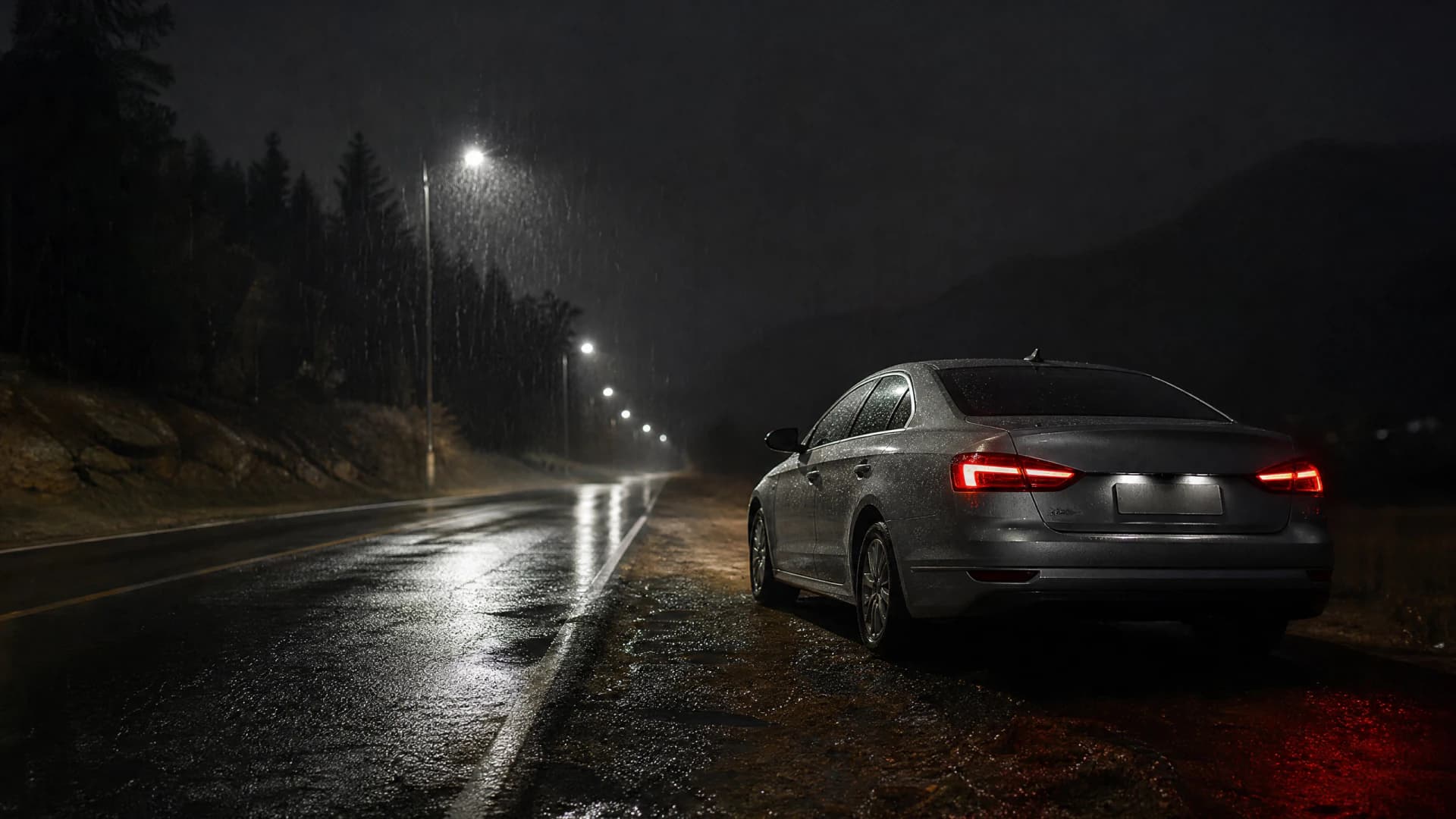
Ohio BMV requires SR-22 filing for three years minimum after OVI conviction or FRA suspension. Your non-owner policy must stay active for the entire period or your license resuspends immediately.



Navigating Carrier Underwriting Rules
Non-owner SR-22 underwriting is stricter than standard auto insurance. Carriers evaluate violation type, suspension length, and whether you completed all court-ordered requirements before quoting. If your license is currently suspended and you haven't finished DIP (Driver Intervention Program) or paid reinstatement fees, some carriers decline to quote until you've cleared those steps. Others will quote but require proof of DIP completion before binding coverage.
OVI offenders face the tightest underwriting. Carriers distinguish between first-time OVI and repeat offenses — second or subsequent OVIs within ten years trigger declinations from most non-standard carriers or premiums exceeding $75/mo. Ignition interlock requirement (mandatory for most OVI-related Limited Driving Privileges in Ohio per ORC 4510.022) does not directly affect non-owner policy pricing, but it signals higher-risk classification to underwriters.
Insurance-lapse suspensions under Ohio's Financial Responsibility Act produce the most favorable non-owner SR-22 rates. FRA suspensions carry their own reinstatement fee separate from the base $40 BMV fee, but they don't trigger the same underwriting severity as OVI cases. If your suspension stems from uninsured operation rather than impaired driving, expect quotes near the lower end of the $25–$50/mo range.
3 years
Ohio SR-22 Filing Period
Ohio requires SR-22 filing for three years minimum after OVI conviction or FRA suspension, measured from the date the BMV receives the initial filing. Some courts impose longer filing periods for repeat offenses. Early cancellation triggers immediate license resuspension.
Ohio Revised Code 4509.45

Non-Owner SR-22 and Ohio's Limited Driving Privileges
Ohio courts grant Limited Driving Privileges (LDP) during suspension for work, school, medical appointments, and court-ordered treatment. LDP does not restore your full license — it's a court-defined exemption allowing restricted driving. To petition for LDP, you must file proof of SR-22 insurance with the court before the hearing. Non-owner SR-22 policies satisfy this requirement.
The court specifies permitted routes, hours, and purposes in the LDP order. Violating these restrictions triggers automatic revocation and extends your suspension. Non-owner coverage remains valid during LDP — you're still driving vehicles you don't own, which aligns with the policy's structure. If you purchase a vehicle during the LDP period, you must switch to a standard auto policy with SR-22 and notify the court and BMV immediately.
Compare Non-Owner SR-22 Carriers Now
Non-owner SR-22 rates vary by $20–$30/mo between carriers for identical coverage. The General may quote $50/mo while Dairyland quotes $32/mo for the same driver. Multi-carrier comparison is the only way to identify the lowest premium. Request quotes from at least three non-standard carriers writing non-owner SR-22 in Ohio — The General, Dairyland, and GAINSCO cover the majority of suspended-license scenarios. If your record is relatively clean (single insurance lapse, no OVI), add Geico and Progressive to the comparison.
Bind coverage before your reinstatement hearing or LDP petition. Ohio courts and the BMV require active SR-22 filing at the time you request reinstatement or restricted privileges — retroactive filing doesn't work. Once your policy is active, the carrier files the SR-22 certificate electronically with the BMV within 24–48 hours. Verify the BMV received the filing by checking your driving record online at bmv.ohio.gov before your hearing date.
Finding Affordable Non-Owner SR-22 Carriers in Ohio
Carriers confirmed to write non-owner SR-22 in Ohio include Geico, Progressive, The General, Dairyland, GAINSCO, and Bristol West. Geico and Progressive write non-owner policies but reserve them for drivers with clean recent records — if your suspension stems from OVI or multiple violations, they typically decline. The General, Dairyland, GAINSCO, and Bristol West write non-standard non-owner SR-22 specifically for suspended-license drivers and price accordingly.
Rates vary significantly by carrier and violation type. OVI-related suspensions produce higher premiums than insurance-lapse suspensions. Most non-standard carriers quote $30–$50/mo for non-owner SR-22 with minimum state limits; clean-record applicants using Geico or Progressive may see $25–$35/mo. Filing fees (the one-time SR-22 certificate processing fee) range from $15–$50 depending on carrier. Some carriers waive the filing fee; others fold it into the first month's premium.
Get Your Free Quote
Get My Ohio Suspended License Insurance QuoteFrequently Asked Questions
Can I get non-owner SR-22 insurance in Ohio without owning a car?
Yes. Non-owner SR-22 policies exist specifically for drivers who don't own vehicles but need to satisfy Ohio's SR-22 filing requirement for license reinstatement. The policy provides liability coverage when you drive someone else's vehicle and triggers the SR-22 certificate the BMV requires.
How much does non-owner SR-22 insurance cost in Ohio?
Non-owner SR-22 policies in Ohio typically cost $25–$50 per month for minimum state liability limits. OVI-related suspensions produce higher premiums than insurance-lapse suspensions. Exact cost depends on violation type, age, county, and carrier underwriting rules.
Which insurance companies offer non-owner SR-22 in Ohio?
The General, Dairyland, GAINSCO, Bristol West, Geico, and Progressive write non-owner SR-22 policies in Ohio. Non-standard carriers (The General, Dairyland, GAINSCO) specialize in suspended-license drivers. Geico and Progressive reserve non-owner policies for drivers with cleaner recent records.
Does non-owner SR-22 work for Limited Driving Privileges in Ohio?
Yes. Ohio courts accept non-owner SR-22 policies as proof of financial responsibility when petitioning for Limited Driving Privileges. You must file the SR-22 certificate with the court before your LDP hearing. The policy remains valid during your restricted driving period.
How long do I need to keep non-owner SR-22 in Ohio?
Ohio requires SR-22 filing for three years minimum after OVI conviction or FRA suspension. Some courts impose longer periods for repeat offenses. If your non-owner policy lapses or cancels during this period, the BMV resuspends your license immediately.
What happens if my non-owner SR-22 policy lapses in Ohio?
If your non-owner SR-22 policy lapses or cancels, your insurer notifies the Ohio BMV electronically within 24 hours. The BMV immediately resuspends your license. To reinstate again, you must purchase new coverage, refile SR-22, pay another reinstatement fee, and restart the three-year filing period.
Can I switch from non-owner SR-22 to regular auto insurance in Ohio?
Yes. If you purchase a vehicle during your SR-22 filing period, switch to a standard auto policy with SR-22 attached. Notify your non-owner carrier to cancel that policy and have your new carrier file an updated SR-22 certificate with the BMV immediately to avoid suspension.